Somos un fabricante orientado a la exportación con 14 años de experiencia en la producción de sillas de tribuna, que ofrece servicios OEM/ODM a marcas mundiales y socios distribuidores.
When the topic of portable stadium seats comes up, the images that typically spring to mind for most people are those of cheering fans at a sports arena or concert-goers swaying to the beat at a music festival. Yet, beneath the surface, something else is quietly unfolding: a distinct group of individuals—those who use these seats with extreme frequency, and for whom one might even say “their livelihood depends on their chair”—are emerging as the most loyal and consistent repeat customers in this product category. Fishing guides, outdoor art instructors, campsite operators, and even professional line-sitters—these are not people buying a chair for occasional leisure; rather, they treat it as a vital tool of their trade. For them, seating comfort has a direct and immediate impact on their income. This article delves into the real-world circumstances of these “outdoor professionals,” exploring the often-overlooked yet consistently profitable procurement demands within this niche B2B market segment. Finally, we discuss the specific product attributes required to effectively meet this demand, and how manufacturing facilities at the source can empower channel partners to navigate and grow this business more smoothly.
Let’s look at a few real-life scenarios. In Florida, a fishing guide who takes clients out to sea spends over two hundred days a year sitting—whether on a dock or along the gunwale of a boat—for five or six hours at a stretch. Initially, he used a cheap, collapsible stool purchased from a supermarket; after just six months of use, his lower back began to protest. He could no longer bear to sit for extended periods, and he often found himself shifting positions to alleviate the aches and pains just as a client was getting a bite. Another individual—an art teacher leading sketching tours in the suburbs of Kyoto—faced a similar predicament. During every outdoor class, she would have to hunch over on a folding stool to instruct her students; after sitting for three hours straight, she would be unable to straighten her back by the time the session ended.
Both individuals eventually took the same step: they switched to “stadium seats” equipped with backrests and soft padding. This wasn’t merely a matter of “upgrading their lifestyle”; rather, their bodies were forcing them to make a choice. For them, a high-quality padded stadium seat wasn’t just a piece of “leisure gear”—it was a vital professional tool they relied on every single day. Whether the backrest provided genuine lumbar support, or whether the seat cushion would go flat after just a few hours of sitting, directly determined their ability to perform their jobs effectively and with dignity. This is also why the replacement cycle for these outdoor professionals is significantly shorter than that of the average consumer: while an ordinary person might use a stadium chair for three to five years, these professionals use theirs until they are completely worn out before purchasing a new one.
Typically, these purchasing behaviors are scattered across various industries and aren’t viewed collectively as a single unified market. However, if you pull them out and categorize them, you’ll discover several distinct groups characterized by both high repurchase rates and healthy average transaction values.
First, consider fishing guides and boat operators. They are arguably the group that puts portable stadium chairs to the most rigorous use. While clients fish from the boat, guides must remain on standby nearby for extended periods. A waterproof stadium seat can withstand splashes and rainy weather; its adjustable backrest allows them to lean back and relax slightly while waiting for a bite; and it is lightweight enough to be carried with one hand as they hop between the dock and the boat. Many guides purchase seven or eight chairs at a time—enough for their apprentices on board to use, and to ensure there are immediate replacements available whenever a chair wears out.
Next, look at outdoor art instructors and photography mentors. Their work involves sitting, yet their sitting is anything but static—they lean forward to critique students’ artwork or turn sideways to offer pointers on composition. Ordinary small stools lack backrests, leaving the lower back unsupported for hours on end; consequently, many instructors develop chronic back issues after just a few years on the job—some even contemplate changing careers. Later, they switched to stadium seats featuring back support and adjustable settings—a single chair could now be configured for an active teaching posture as well as for a restful break. For art studios and training centers, purchasing stadium seats wholesale as standard teaching equipment represents a high-return investment: a modest expense that pays off by helping to retain valuable instructors.
Campsite operators likely constitute the group with the largest purchasing volume. With guests constantly coming and going throughout the day, it is impractical to install permanent seating at every individual campsite; however, it is essential to have a supply of spare chairs available for guests to borrow or for staff members to rest on while patrolling the grounds. Folding stadium seats take up minimal space when collapsed, allowing them to be stowed in a storage room and retrieved whenever needed. Some campsites explicitly state on their websites that “bleacher chairs with backrests are available for rent”; at a rental fee of just a few dollars per day, the investment can be fully recouped within a single peak season.
Finally, there is a less-noticed—yet particularly fascinating—group: professional queue-standers. Whether waiting to register at a hospital, secure a table at a trendy restaurant, or snag a limited-edition release, these professional line-waiters often have to sit on folding stools for four or five hours—or even overnight. Equipping themselves with a collapsible stadium chair—specifically, a padded folding stadium seat—allows them to sustain their physical comfort and endurance for much longer periods. Some team leaders of professional queuing services handle procurement centrally, treating chairs as both a team perk and an “efficiency tool.”
The common thread among these buyers is clear: they are not merely “selecting a chair,” but rather addressing a physical issue that directly impacts work efficiency. Once they find the right product, their brand loyalty is exceptionally strong.

If you look solely at individual consumers, the unit price of a single stadium chair might not seem particularly high. However, shift your perspective to the B2B sector, and the financial calculations tell a very different story.
First, consider the frequency of repurchase. An average person might buy a chair and use it for two or three years before even thinking about replacing it; fishing guides, however, have their chairs constantly exposed to the salty, damp sea air. Similarly, chairs at campsites endure constant exposure to sun and rain, while accommodating a rotating cast of guests of varying weights, resulting in a rate of wear and tear far exceeding that of home use. Consequently, restocking may be required annually or even quarterly. Incidentally, this also drives up demand for stadium seat replacement parts—whether a latch has loosened or the seat fabric has worn thin, replacing a specific component is far more cost-effective than purchasing an entirely new chair.
Next comes bulk purchasing. A five-person fishing guide team might walk away with twenty or thirty chairs in a single transaction; for a medium-sized campsite, an initial order of fifty chairs is not at all uncommon. The stability inherent in wholesale and bulk orders for stadium chairs makes inventory planning significantly more predictable than relying on sporadic, individual consumer orders.
Most importantly, there is the power of referrals. These professional circles are highly specialized: fishing guides associate with other fishing guides, and art instructors in their studios discuss little else but art supplies and equipment. Once a product gains acceptance within such a community, word-of-mouth recommendations prove far more effective than traditional advertising. For suppliers of stadium seating, successfully tapping into one of these specialized vertical channels can potentially unlock business opportunities across their entire product line.
For these outdoor professionals, the standards they demand from a chair are on an entirely different level compared to those of the average sports fan. Let’s break it down to see what truly matters to them.
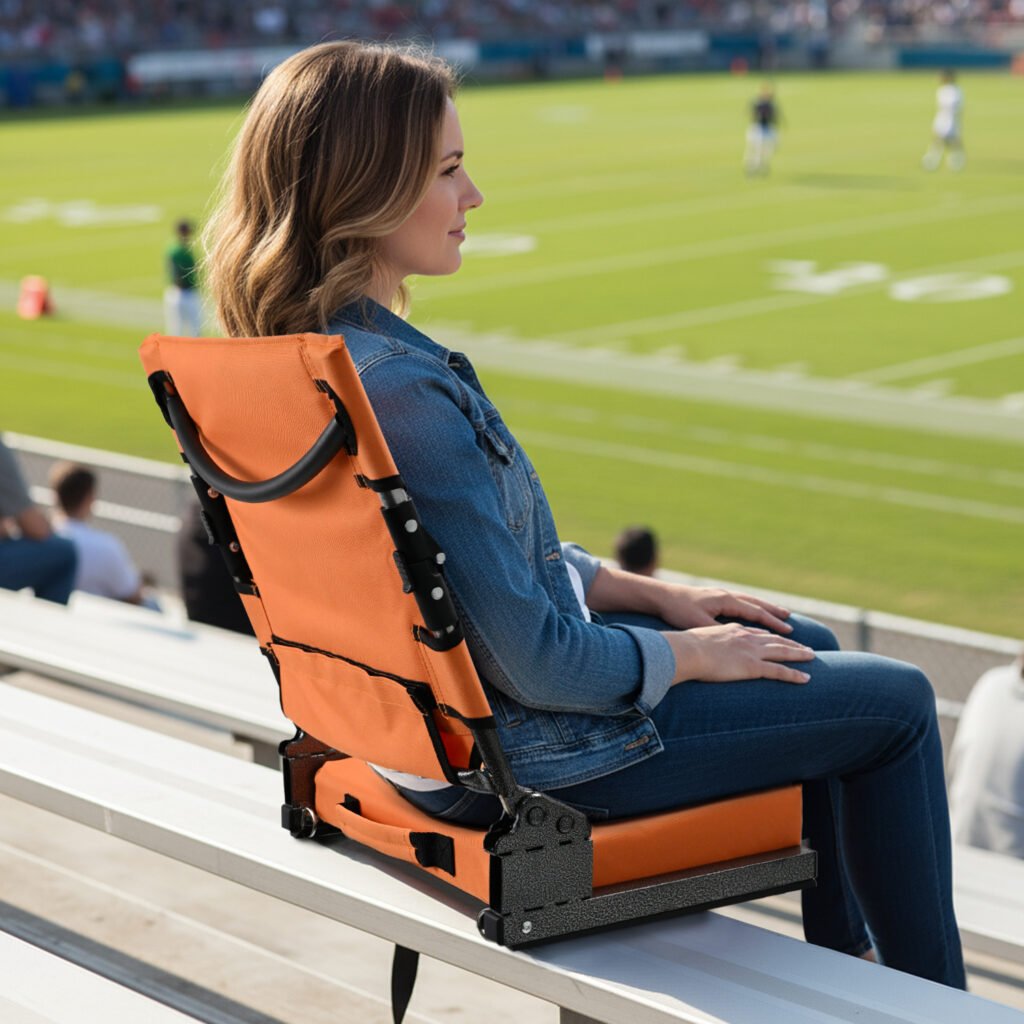
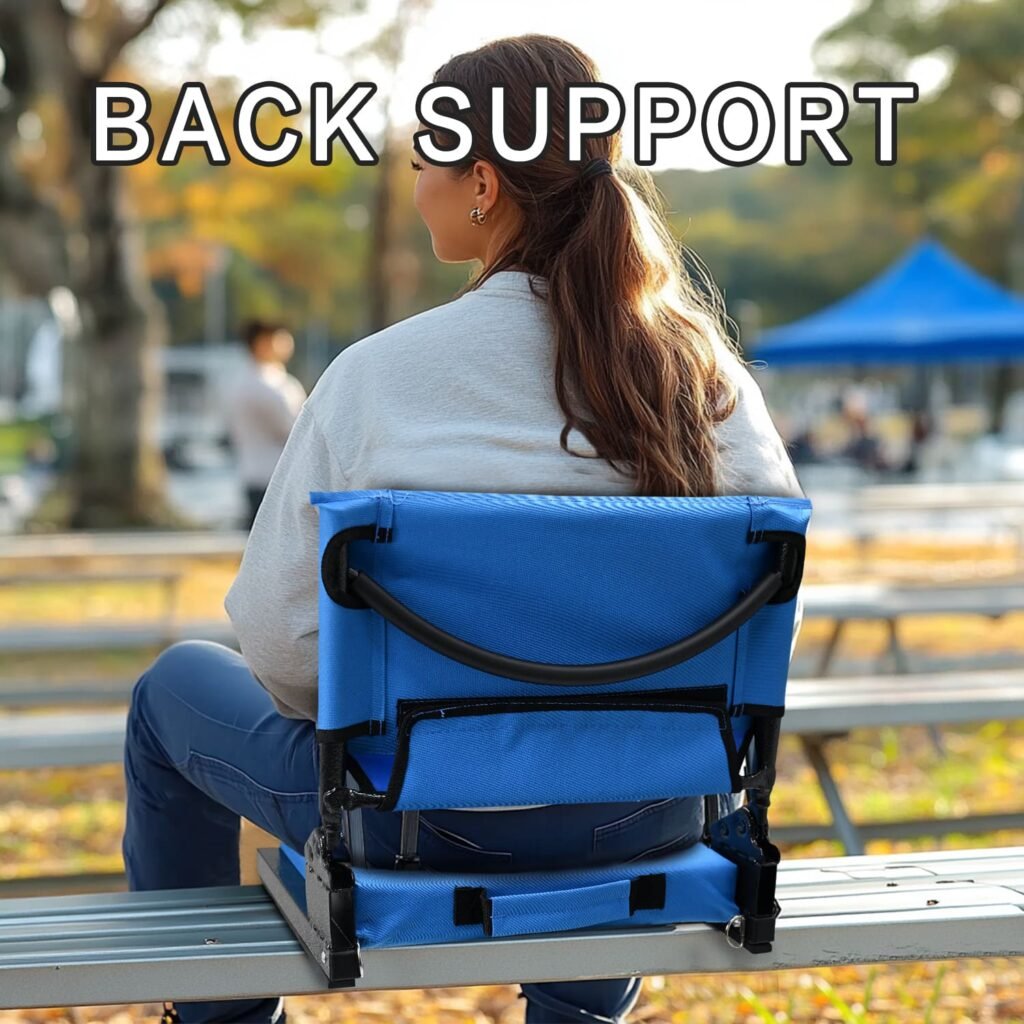
The backrest needs to be genuinely functional—not just for show. Many people have purchased those cheap stadium cushions or basic folding chairs where the backrest consists of nothing more than a layer of fabric stretched over a thin metal tube; leaning back feels as if there’s no support there at all. Those who actually sit on these chairs to work day in and day out require a *high-back stadium seat*—or at the very least, a structure capable of providing genuine lumbar support. A 6-position adjustable backrest is a major bonus; after all, the sitting angle required for an art instructor to critique a painting is going to be vastly different from the angle needed for a midday nap.
The seat cushion must be durable enough to withstand all-day use. A foam cushion that goes flat after just two hours of sitting is a nightmare for the outdoor workforce. High-density padding—on par with *premium stadium seats*—that offers high resilience and resists deformation even after prolonged sitting is far more practical than any flashy, gimmicky features. If the *padded stadium seat* is built with a solid interior structure, you can work through a busy half-day without suffering from a sore back or aching glutes—only then does the chair truly pass the test.
Water and moisture resistance isn’t just a bonus feature; it’s a baseline requirement for survival. Campsites are often blanketed in dew at dawn, and docks are constantly subject to splashing waves. A combination of Oxford fabric and a PVC coating ensures that a *waterproof stadium seat* truly repels splashes without soaking through, and dries rapidly after exposure to rain. If an art instructor encounters a sudden shower while working in the mountains, they can simply give the chair a quick shake and toss it back into their car without having to wait half the day for it to air dry.
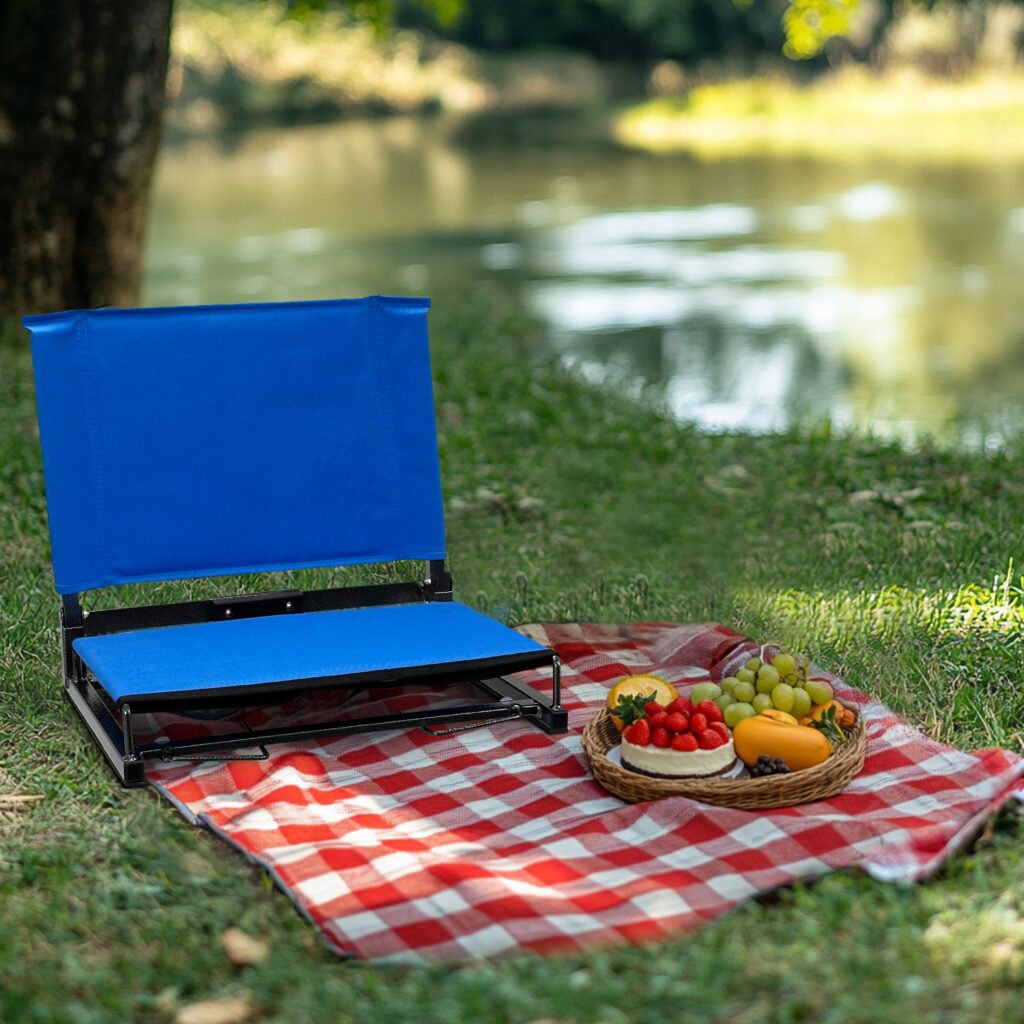
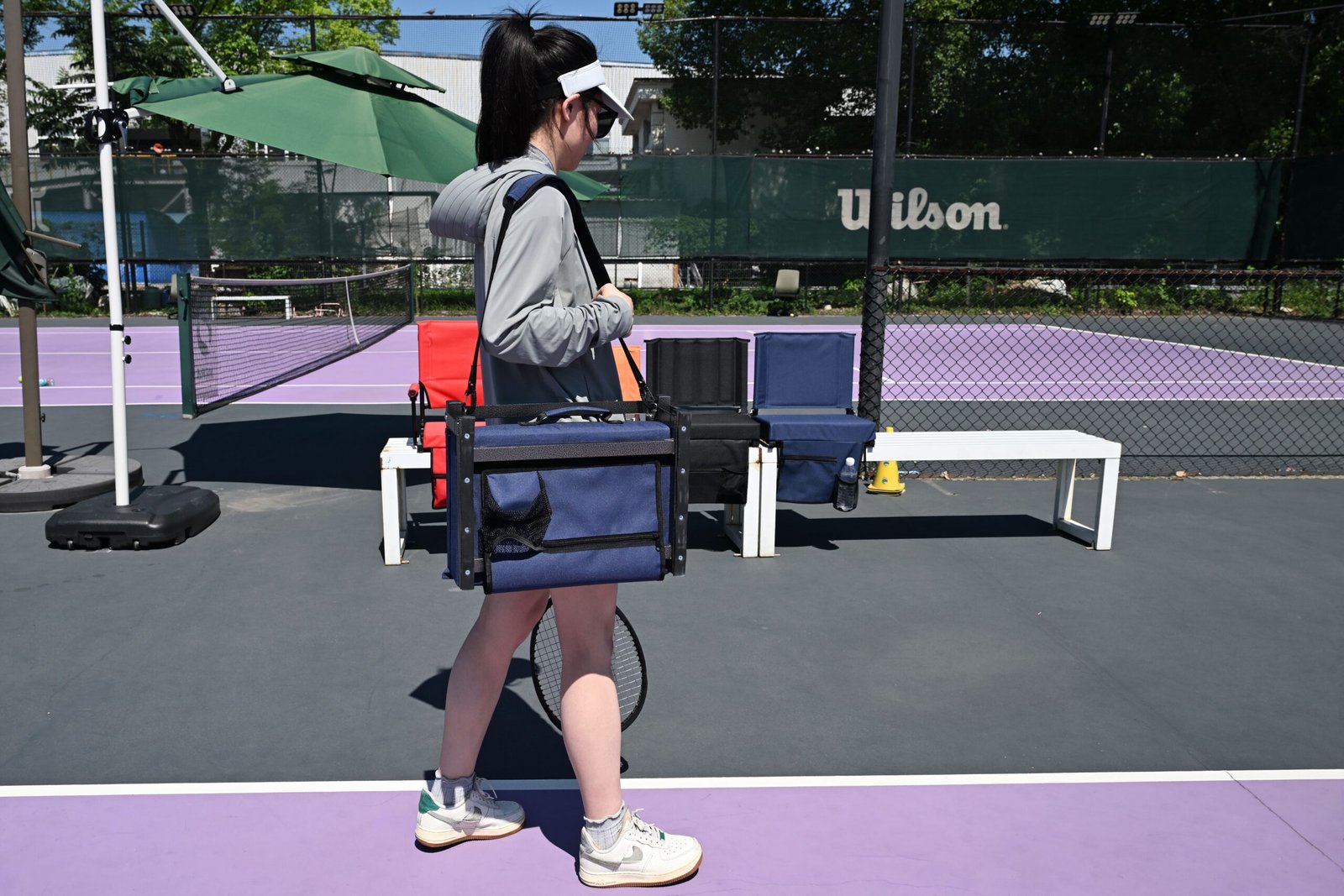
Portability and stability must go hand in hand. A chair that is too light will be unstable on grassy terrain, while one that is too heavy becomes a chore to carry. A *steel-frame stadium chair* featuring powder-coated tubing provides ample load-bearing capacity and rust resistance, yet its overall weight must remain light enough to be comfortably carried over a single shoulder. The locking mechanisms on a *collapsible stadium chair* are particularly critical; since they are opened and closed repeatedly—often dozens of times a day—they must remain secure and never become loose.
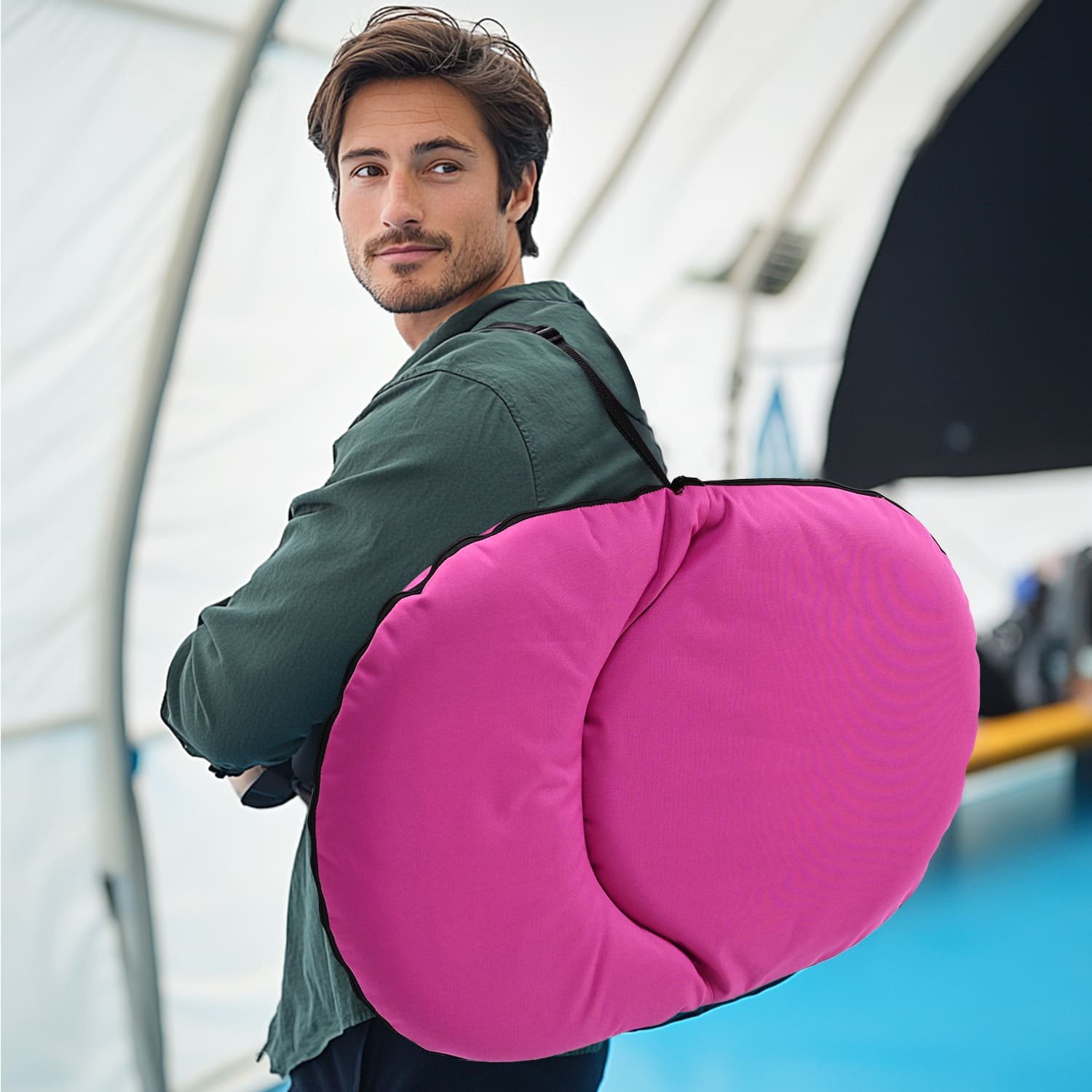
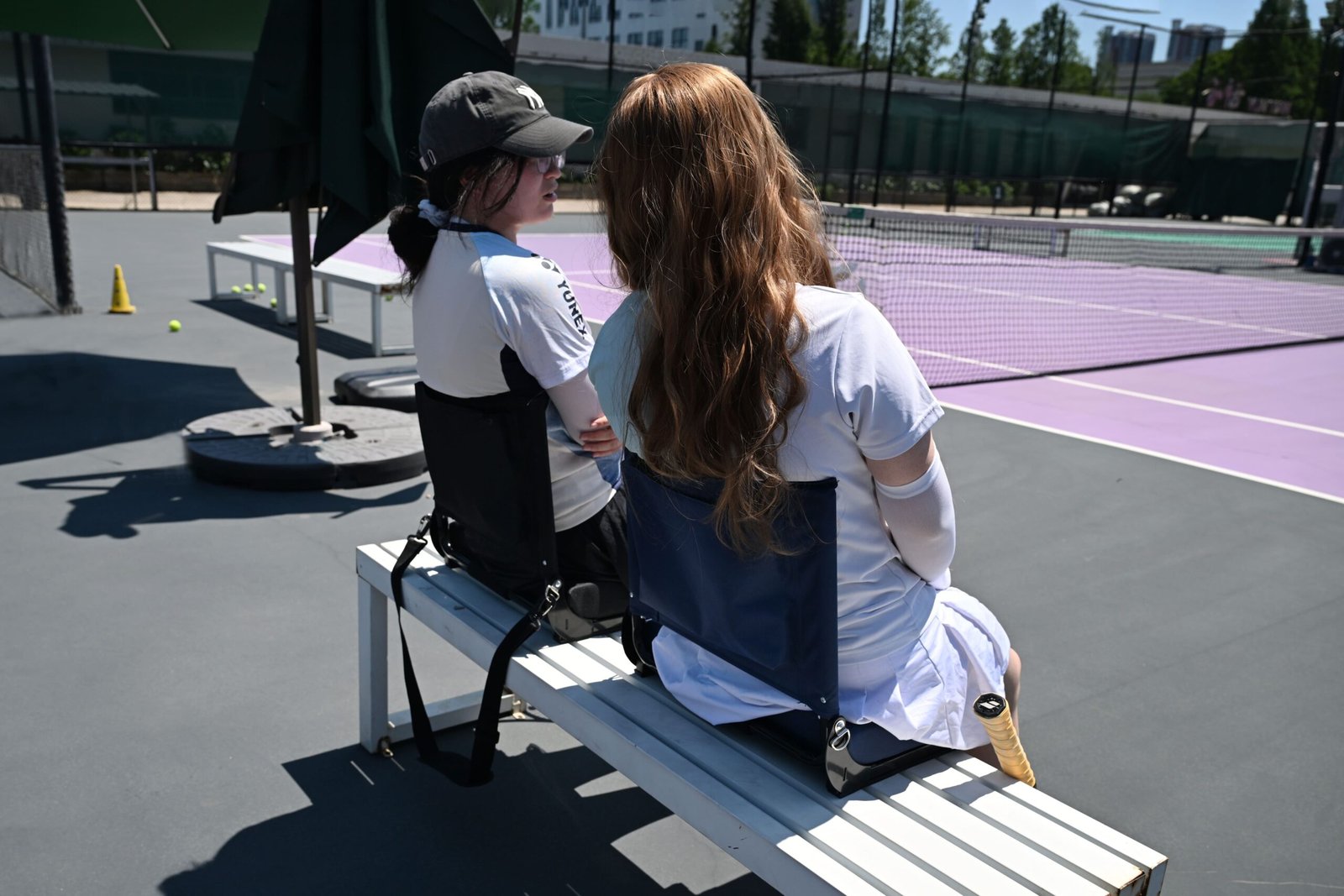
Thoughtful storage options and accessories make the workday run much more smoothly. Whether it’s a fishing guide’s water bottle, an art instructor’s paintbrushes, or a professional line-sitter’s power bank, there needs to be a designated spot where these items can be accessed instantly. Mesh storage pockets and cup holders are standard essentials for any *stadium seat equipped with armrests and cup holders*. Furthermore, if the chair features adjustable shoulder straps that allow it to be carried like a *backpack-style stadium chair*, that trek from the parking lot to the actual worksite becomes infinitely easier.
If you are involved in Amazon sales, retail procurement, or distribution on domestic platforms, the points mentioned above might help you identify customer segments you previously overlooked. But how do you reach them?
For those in cross-border e-commerce, try to break the mold with your product listing imagery; don’t let every scene revolve solely around sports stadiums or music festivals. Instead, try featuring an image of a fishing guide sitting on a dock, or an art instructor sketching on a hillside while leaning against a “stadium seat with backrest.” Embed long-tail keywords—such as “guide chair” or “all-day seating for outdoor work”—within your titles and product descriptions. While these terms may not generate massive search volume, the users who do find them are typically high-intent buyers ready to make a purchase. Furthermore, wider models—marketed as “wide stadium seats” or “extra-wide stadium chairs”—can be specifically targeted at heavier users or professionals who require a more substantial, sturdy seating experience.
For those in retail procurement, consider adding “scenario tags” next to the shelves in your outdoor gear section. Labels such as “Recommended by Fishing Guides,” “Ideal for Art Instruction,” or “Essential Camp Seating” can be highly effective. While the average consumer may not be a professional in these fields, seeing products endorsed or utilized by professional groups instills a sense of confidence that the item is genuinely durable and reliable.
Customization also offers an excellent avenue for breaking into the B2B market. Whether a campsite wants to imprint its own logo or a guiding service seeks color-coordinated gear, offering “custom stadium seats” and “personalized stadium chairs”—backed by OEM/ODM services—allows you to fulfill even small-batch orders. Avoid setting your minimum order thresholds too high; many small-to-medium business clients begin with a single trial order, which often evolves into a steady, long-term supply contract.
Having discussed the demand side, let’s turn our attention to the supply side. What these outdoor professionals require sounds simple enough—daily usability, rugged durability, comfort, and a fair price—yet meeting these criteria poses a significant challenge for channel buyers and serves as a true test of a factory’s core capabilities. A frame that buckles, a cushion that collapses, or fabric that fades within a year—any one of these pitfalls risks losing not just a single order, but the reputation of the entire industry community.
Changzhou Canbo has been manufacturing portable bleacher seats for a number of years. Our factory in China spans over 20,000 square meters, features five production lines, and employs a workforce of over 200 people. We hold both ISO 9001 and BSCI certifications; our products carry CE certification, and we possess a substantial portfolio of design patents in both the U.S. and the EU. From raw material sourcing to final shipment, we maintain complete vertical control over the entire supply chain.
Regarding the specific, rigorous demands detailed earlier, our product line offers ready-made solutions for virtually every requirement: a 6-position adjustable backrest to accommodate various working postures; high-resilience foam paired with PVC-coated Oxford fabric to ensure both comfort and water resistance; a powder-coated steel frame that is both rust-proof and robust; and a foldable design with an adjustable shoulder strap for effortless portability. For clients in warmer southern regions concerned about heat, we offer models featuring breathable Teslin fabric; conversely, for guides and workers in the colder north who work outdoors during winter, we provide models equipped with built-in heating elements. Manufacturing custom bleacher seats and personalized stadium chairs is business as usual for us; we are fully equipped to handle OEM/ODM projects, private labeling, and patent licensing agreements.
Our products have been successfully distributed across Europe, the U.K., the U.S., Japan, South Korea, and Australia for several years. Our client base ranges from cross-border e-commerce sellers and major retail chains to domestic platform distributors. If you are currently sourcing wholesale stadium seating products designed to penetrate these specific vertical markets—or simply looking to add a backrest-equipped chair SKU to your existing outdoor product line—please feel free to contact us for samples at any time. Put our products to the test and see for yourself if they can truly withstand the exacting standards of today’s outdoor professionals.