
Siamo un produttore orientato all'esportazione con 14 anni di esperienza nella produzione di sedie da tribuna, che offre servizi OEM/ODM a marchi globali e partner di distribuzione.
In the past, the mere mention of “stadium seating” would typically conjure images of football fields, baseball stadiums, or outdoor concerts. Interestingly, however, a rapidly expanding new market is now placing an entirely different set of demands on this type of seating: esports arenas and flexible, multi-purpose venues. Unlike traditional stadiums, these spaces lack fixed concrete tiers and do not operate on a rigid seasonal schedule; one day they might host an esports tournament, the next they could transform into a community market, and the day after that, serve as a venue for corporate team-building events. Devising a seating solution capable of accommodating such wildly divergent requirements has become a key challenge that many venue operators are currently grappling with. This article explores the opportunities for portable stadium seating within this emerging sector, examining how flexibility, rapid stowage capabilities, and multi-scenario adaptability can help venues maximize the utility of every square meter—while also touching upon the underlying product logic and supply chain support that make this possible.
Before rushing to apply the conventions of traditional stadium seating directly to esports arenas, consider this: the behavioral patterns of esports spectators differ significantly from those of traditional sports fans. An esports match can last anywhere from a brief two or three hours to a full five or six hours—in the case of a best-of-five series—interspersed with analyst desk segments and player interactions. Consequently, spectators spend much longer periods seated, creating a far more acute and non-negotiable demand for stadium seating equipped with back support compared to traditional sporting events. Furthermore, esports venues are often temporary spaces constructed on flat ground—unlike traditional stadiums, which feature fixed, tiered bleacher structures—meaning the seating solutions must be adaptable to a level floor while simultaneously creating the necessary tiered sightlines for optimal viewing.
Moreover, on non-match days, many esports venues transform into training camps, live-streaming studios, or even pop-up retail spaces. If the seating is permanently fixed in place, the venue loses its functional versatility. This is precisely where the advantages of folding and collapsible stadium chairs come into play: they can be rapidly deployed for matches and then folded up and stowed away within minutes once the event concludes, immediately freeing up the floor space for other uses. What venue operators truly seek is a seating solution capable of morphing to suit the schedule at a moment’s notice—yet one that offers a seating experience every bit as comfortable and professional as that found in dedicated, permanent sports arenas. This scenario presents a perfect entry point for portable stadium chairs.
The concept of the “flexible venue” is gaining increasing traction in major and secondary cities across Europe, North America, and Asia. Simply put, it refers to a large, open-plan space that might host an esports tournament one weekend, an indie music concert the next, and a corporate product launch or community family event during the week. The operational philosophy behind such venues is “maximum space efficiency”—meticulously optimizing the revenue generated per square meter each month.
Under this operational logic, hardware equipment must possess a “universal utility” quality. If stadium bleacher seats can be easily moved in and out at a moment’s notice, they effectively transform into flexible building blocks. Consider a simple example: on a Friday evening, a flexible venue hosts a small-scale city-level *League of Legends* tournament, utilizing custom bleacher seats to configure a three-row spectator area. By Saturday noon, half the seats are removed to transform the space into a yoga workshop, while the remaining bleacher chairs—featuring backrests and folded neatly against the wall—remain available for waiting parents to sit on. On Saturday night, a different set of wider stadium seats is arranged in a circular formation to host an unplugged performance by an indie musician. The same inventory—simply rearranged—can serve three entirely distinct audiences. This level of asset utilization is simply unmatched by fixed, retractable bleacher seating systems.
Let’s discuss a point that many people tend to overlook when selecting products: the time cost associated with installation and storage. If a flexible venue requires several hours to rearrange chairs—and another few hours to stow them away—every time an event changes, the resulting labor costs will eat up a significant portion of the profits. Consequently, when venue procurement teams evaluate samples of stadium chairs, they are often less concerned with seating comfort than they are with a specific action: exactly how many seconds it takes a single employee to fully unfold and lock a chair into place.
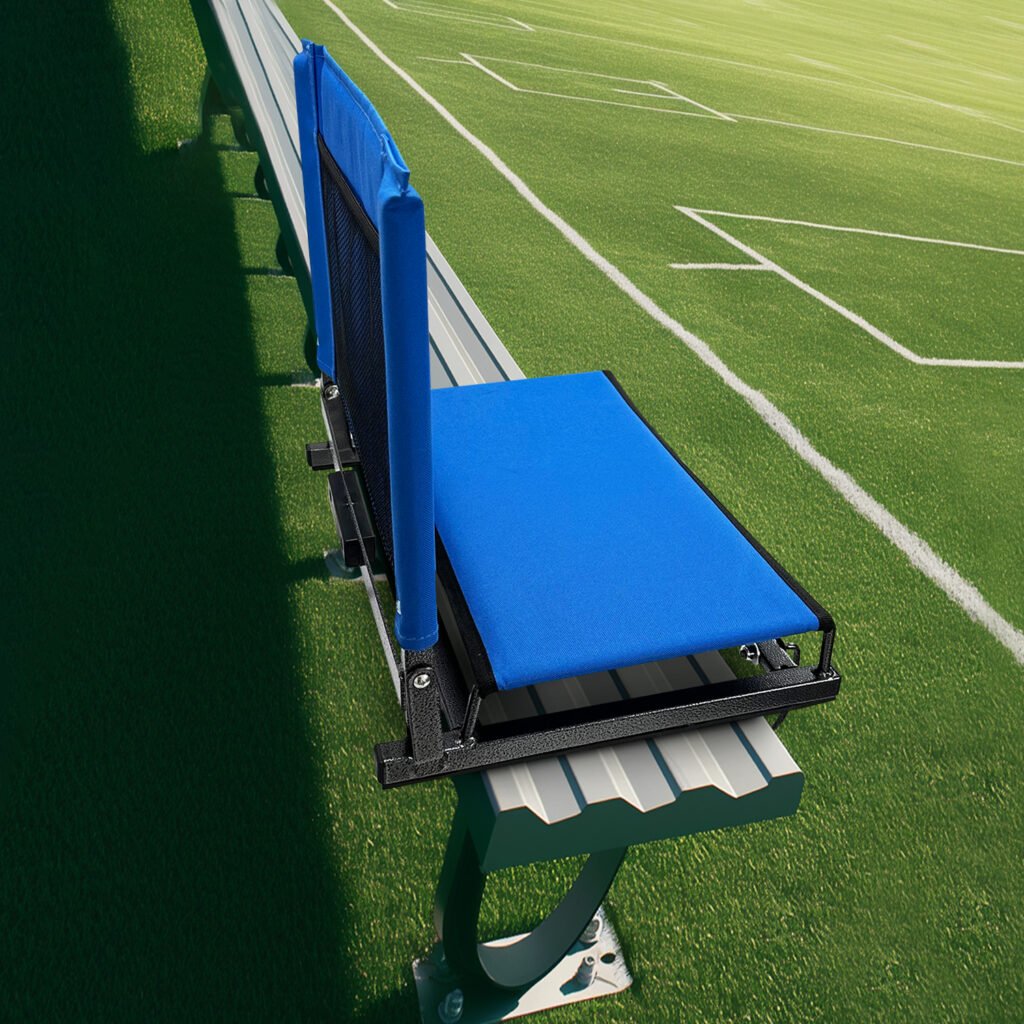
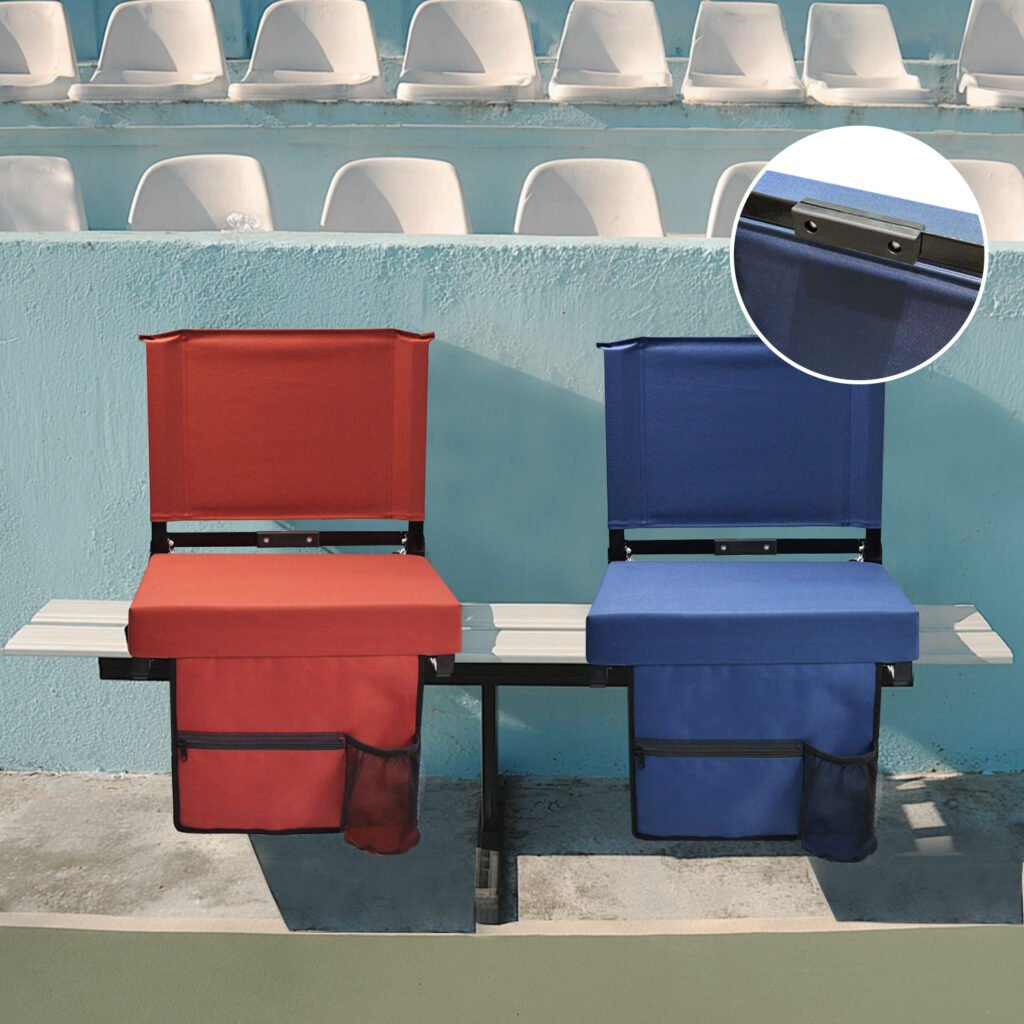
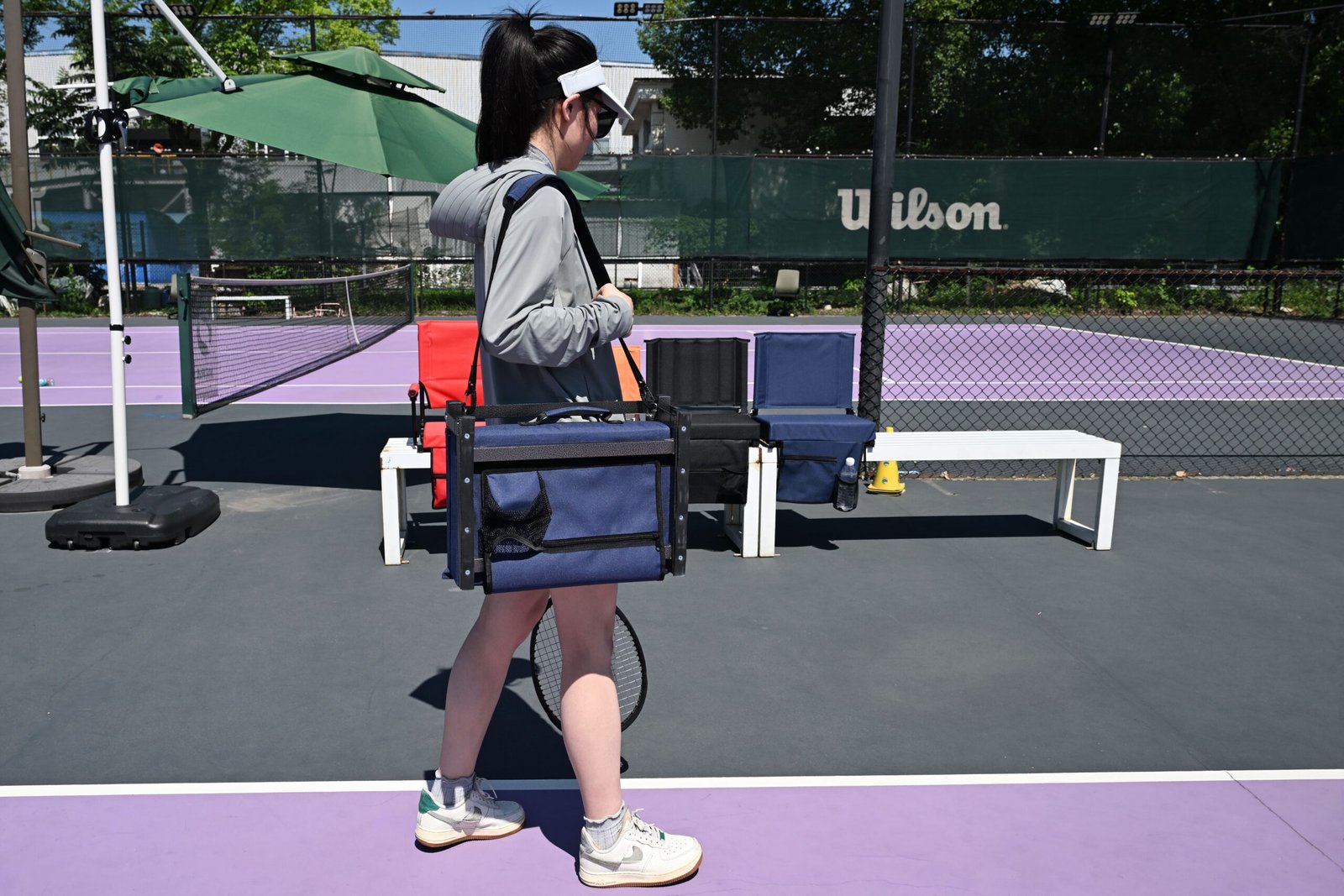
This is precisely why the joint mechanisms in products like collapsible stadium chairs are of such critical importance. A superior folding mechanism operates seamlessly: it locks instantly upon unfolding and folds down without snagging. This allows the venue’s operations team to complete a full-venue setup just as quickly and efficiently as lining up shopping carts at a supermarket. Furthermore, the volume occupied after storage directly impacts warehouse utilization efficiency. If folding stadium seats can be stacked vertically once collapsed, the space required for a hundred chairs might be less than that of a small delivery van. For flexible urban venues where every square inch of space is at a premium, this often-overlooked advantage offers very tangible benefits.
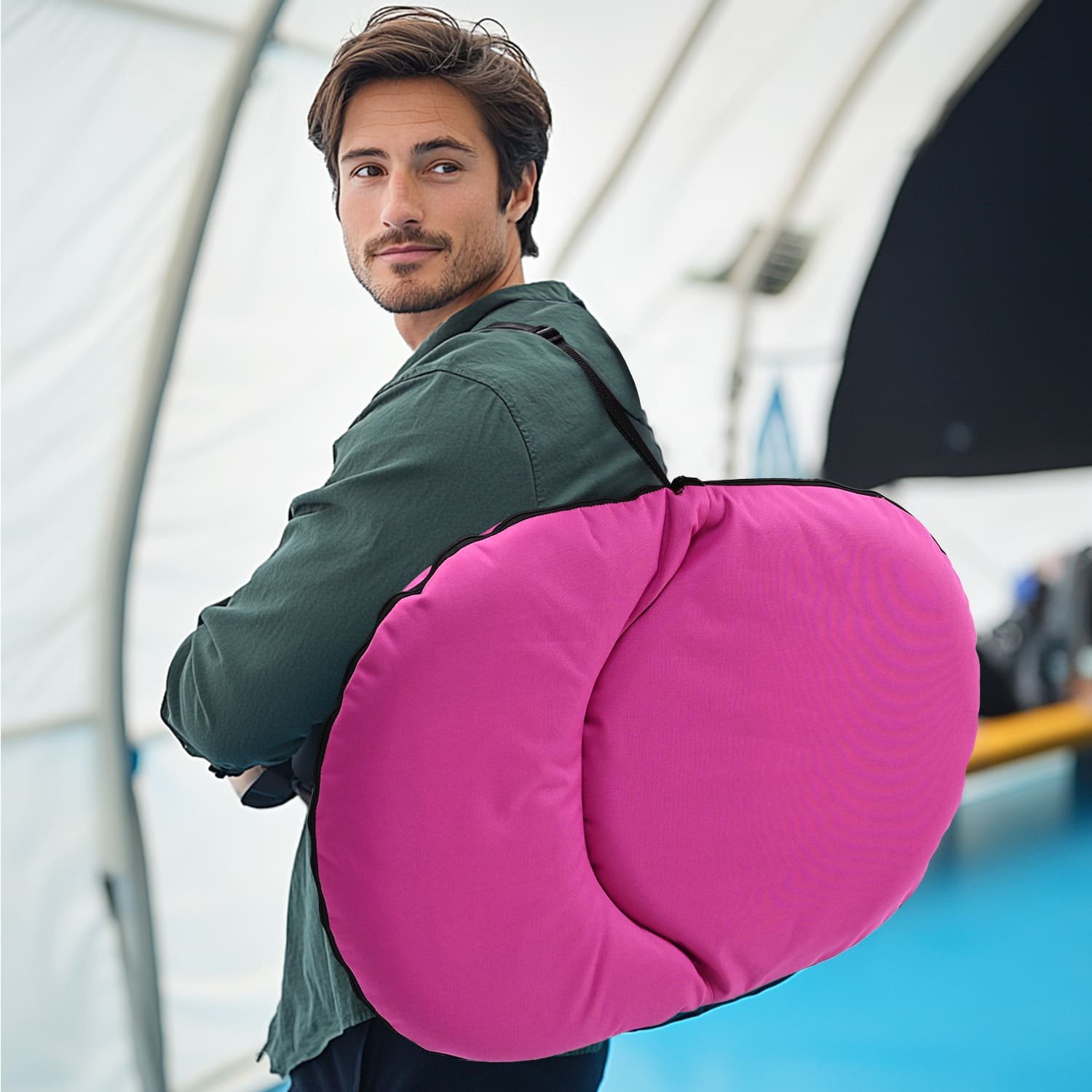
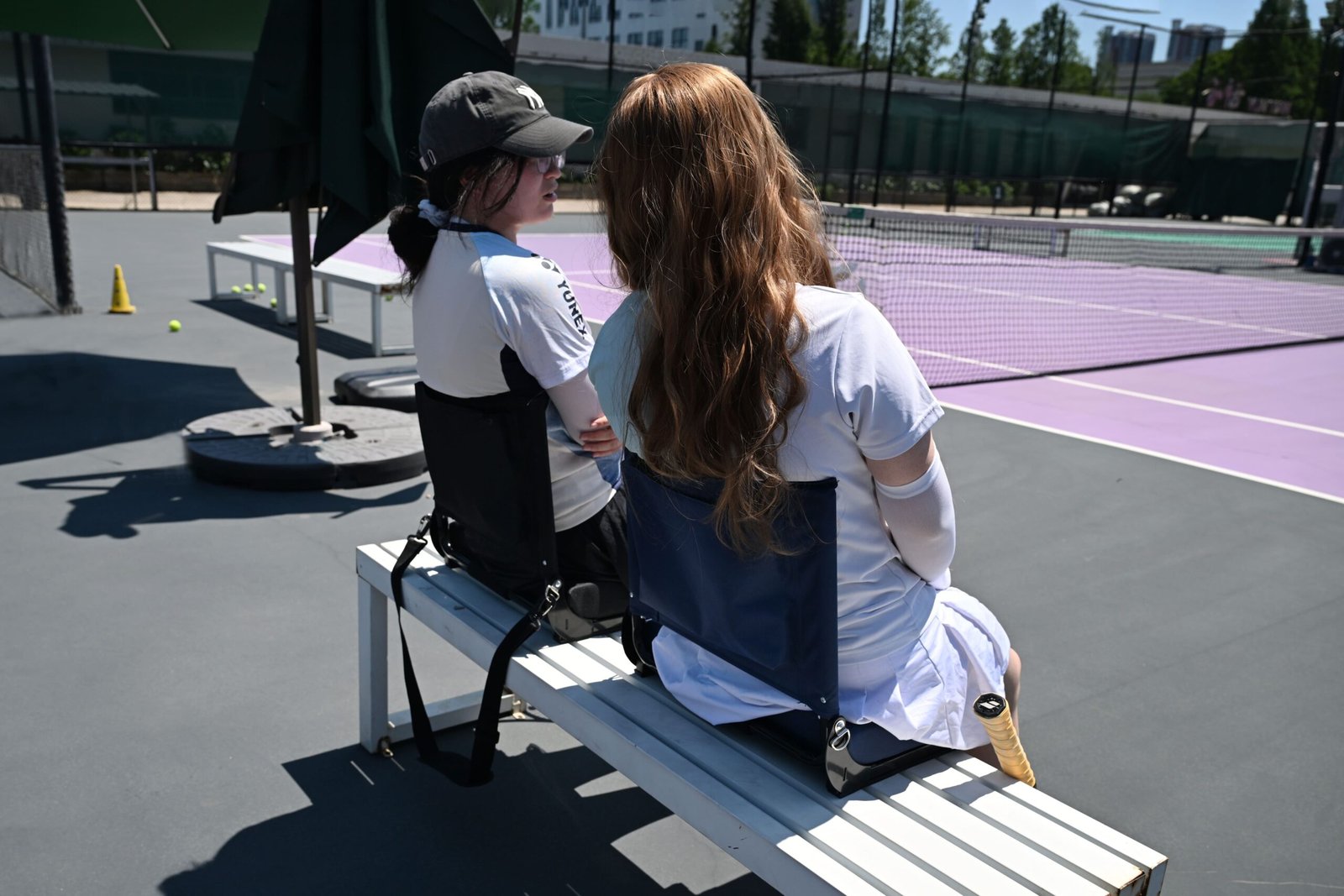
Additionally, the weight of the chairs must strike a delicate balance—neither too “substantial” nor too light. If they are too heavy, both the labor and time costs associated with handling them skyrocket; if they are too light, they feel flimsy and unstable when seated. This is the rationale behind combining a steel-frame stadium chair with a lightweight design: the sturdy frame ensures durability for a decade of use, yet the overall weight is kept light enough for a single person to carry with ease. In this context, the backpack-style straps found on some stadium chairs are not intended for outdoor hiking excursions, but rather to facilitate rapid, efficient venue turnovers for the operations staff.
Esports arenas and flexible-use venues share a common characteristic: spectators tend to spend extended periods on-site. Esports tournaments often feature halftime shows or player autograph sessions, while community events and product launches can easily last for half a day. If spectators become restless—distracted by backaches or physical discomfort—the venue risks losing not only its audience but also the secondary revenue generated by in-house concessions and merchandise sales.
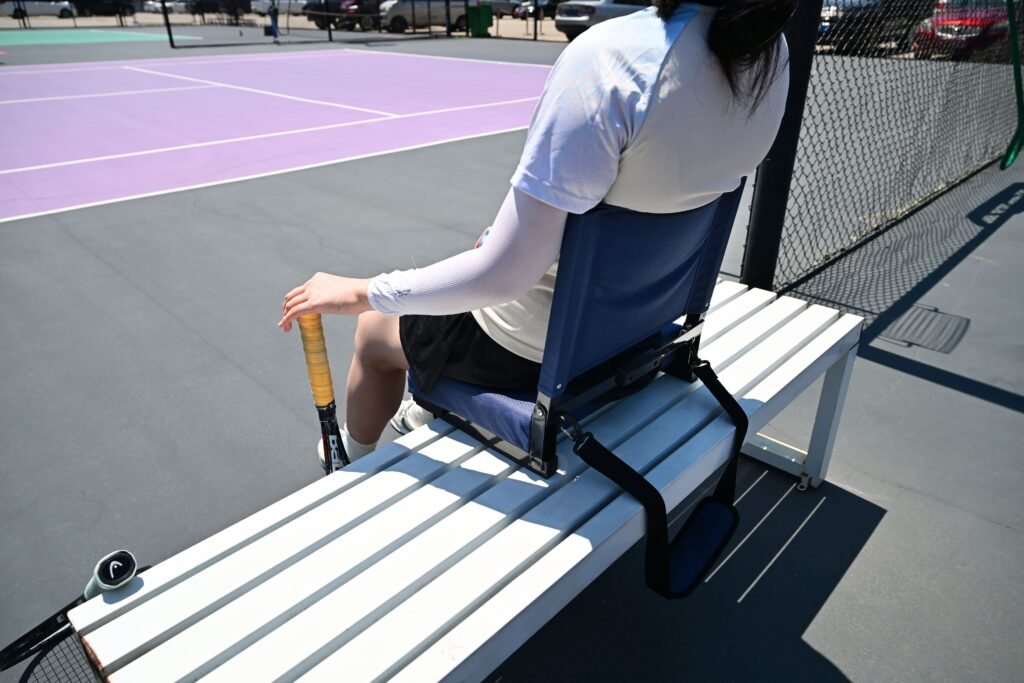
Consequently, in these modern, emerging venues, stadium seats equipped with back support and ample padding have become virtually standard equipment. The backrests must be more than mere decorative elements; they must provide tangible, ergonomic support for the lumbar spine. The cushioning foam must be sufficiently thick and highly resilient, capable of withstanding continuous load-bearing pressure for hours on end. Given that esports audiences consist predominantly of young people—who often adopt more casual or relaxed sitting postures—stadium seats with multi-angle adjustable backrests prove highly practical. Spectators can sit upright and tense during intense match play, then lean back slightly to relax during halftime analysis, all without ever having to leave their seats.
Fabric selection must also be tailored to the specific venue context. While air-conditioned esports arenas generally face few issues, some flexible-use spaces—such as cultural and creative parks repurposed from old industrial factories—are semi-outdoor environments. In such cases, fabrics meeting “waterproof stadium seat” standards become essential; materials like Oxford cloth with a PVC coating offer excellent moisture resistance and are easy to wipe clean, ensuring that accidental beverage spills are no cause for alarm. Furthermore, if the venue frequently hosts outdoor viewing events, a design featuring removable and washable seat covers can significantly simplify operations and maintenance for the venue management team.
Many distributors engaged in the wholesale of stadium seating may not yet view the esports sector—specifically esports arenas and flexible-use venues—as a distinct customer segment. However, this group possesses several noteworthy purchasing characteristics.
First, they require the ability to “test.” Before finalizing a purchase, operators of esports arenas typically wish to obtain a few sample units to trial during actual events. This allows them to evaluate installation speed, audience feedback, and overall durability. The inherent portability of these stadium seats enables them to conduct small-batch trials rather than committing to a large-scale order right from the start. For a stadium seating manufacturer, providing seamless cooperation and sufficient technical support during this sampling phase can lead to a surprisingly high conversion rate.
Second, there is a widespread demand for brand customization. Esports is characterized by strong team and tournament IP identities; consequently, many venues desire seating that features team logos or event branding. In this context, “custom stadium seats” and “personalized stadium chairs” are not merely premium options, but rather fundamental requirements. Suppliers capable of handling small-batch OEM/ODM production are far more likely to secure these types of orders.
Third, they prioritize inquiries regarding accessories and after-sales support. The esports and events industries represent high-usage environments where components—such as seat latches, cup holders, and various replacement parts—are subject to regular wear and tear. A manufacturing partner capable of reliably supplying these stadium chair parts instills greater confidence in venue operators, encouraging them to place long-term orders. Additionally, certifications such as CE and BSCI are highly beneficial when bidding for overseas esports arena projects, particularly within the European and North American markets.
Having discussed the specific requirements and usage scenarios, let’s conclude by taking a look at the source responsible for transforming these concepts into tangible products.
Changzhou Canbo Travel Products Co., Ltd. has spent years deeply cultivating the field of portable stadium seating. Located in Changzhou, China, our facility spans over 20,000 square meters and houses five production lines staffed by more than 200 workers. We have successfully obtained both ISO 9001 quality management system certification and BSCI social responsibility certification. Furthermore, our products hold CE certification, as well as numerous design patents in both the United States and the European Union. From the cutting of raw materials and steel tube bending to welding and assembly, our entire production chain is completed in-house; this allows us to maintain full control over both product quality and delivery schedules.
The specific requirements for esports arenas and flexible venues—which we discussed earlier—are all addressed by mature solutions already available on our existing production lines. These include collapsible stadium chair structures designed for rapid setup and teardown; padded folding stadium seats featuring high-density foam capable of withstanding prolonged use; waterproof stadium seat fabrics suitable for flat-ground deployment while remaining resilient against outdoor weather conditions; and custom bleacher seat printing processes that allow for branding tailored to specific venues. Whether you require extra-wide versions, lightweight models equipped with carrying straps (backpack-style stadium chairs), or even heated versions for outdoor winter events, we have a solution for you. We have extensive experience providing OEM/ODM services, private labeling, and patent licensing; whether you are starting with a small trial order or a full container shipment, we welcome the opportunity to discuss your needs.
Our products are currently exported to markets across Europe, the UK, Japan, South Korea, and Australia. Our diverse client base includes cross-border e-commerce retailers, major retail chain buyers, and event equipment rental companies. If you are seeking a wholesale stadium seating solution designed to maximize space efficiency within an esports arena or flexible venue, or if you wish to add a new SKU to your product line that is perfectly tailored to emerging markets, please feel free to contact us at any time to request samples or schedule a factory tour. Perhaps the next arena where spectators are so comfortable they simply won’t want to leave will begin with a single chair.