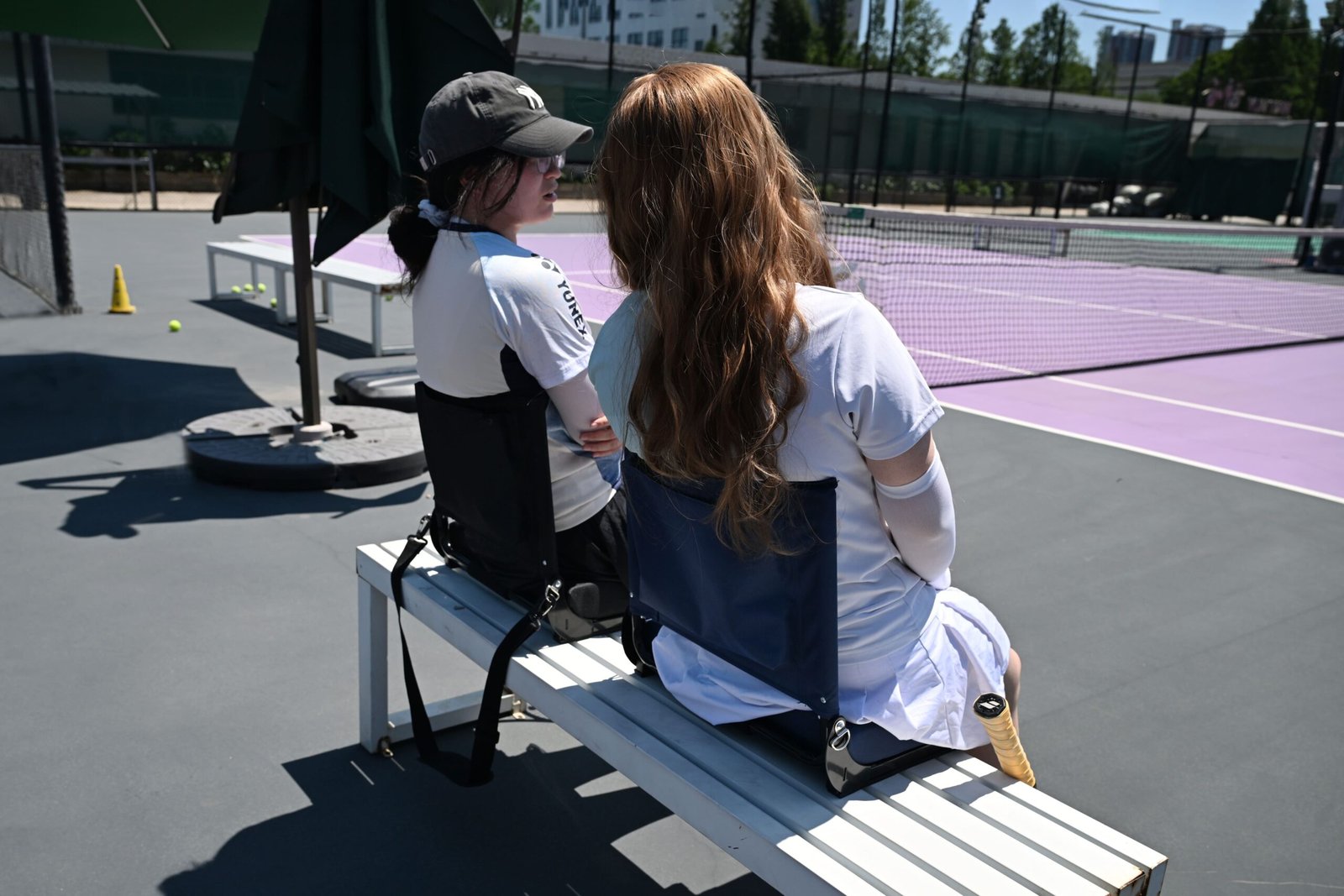
당사는 14년간 관람석 의자 생산 분야에서 전문성을 쌓아온 수출 지향적 제조업체로, 글로벌 브랜드 및 유통 파트너에게 OEM/ODM 서비스를 제공합니다.
The evolution of bleacher seats with backrests has been quite striking over the years. Initially, the focus was simply on whether a backrest existed; later, the emphasis shifted to comfort, followed by features like adjustability, compact folding capabilities, and branding options. Eventually, the category moved beyond merely adding a single function and began to diverge into distinct paths. Some manufacturers doubled down on comfort, others delved deep into customization, while some pursued lightweight or low-profile designs. None of these approaches is inherently right or wrong; rather, they cater to different sales channels, customer demographics, and sales cycles. For those involved in procurement and distribution, understanding these trajectories in advance provides a much clearer sense of direction when selecting products for the upcoming season.
The trend toward enhanced comfort has been the most prominent development in recent years. Initially, a basic stadium seat with back support was considered sufficient, but user expectations have become far more nuanced. Can the backrest adjust to multiple angles? Can it be raised for extra height? Will the thickened foam cushion flatten out after prolonged use? Is the fabric breathable enough to prevent overheating in the summer?
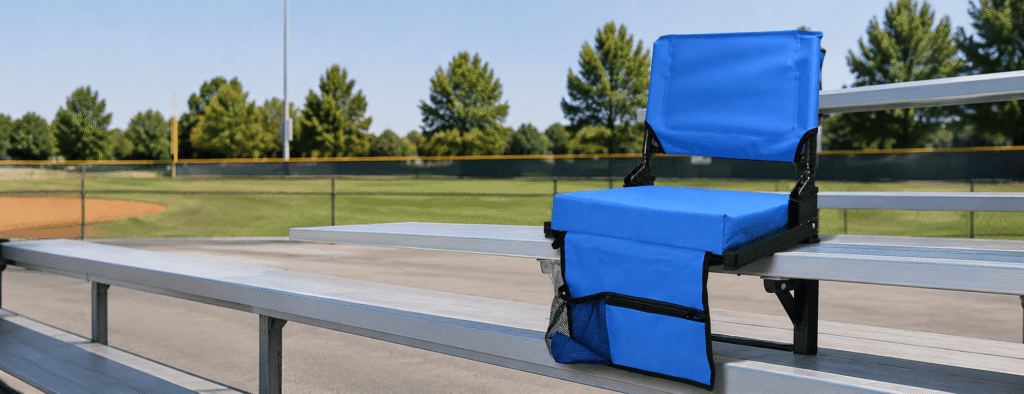
Adjustable stadium seats—featuring multiple recline settings—have become a mainstream choice. Models offering three or six adjustment levels allow users to find the perfect angle for their lower back, ensuring comfort even during two- or three-hour events. Higher-end models also offer adjustable backrest heights, allowing taller users to sit upright without hunching, which relieves neck strain. While none of these individual features qualify as groundbreaking technology, their combination clearly distinguishes the best stadium seats from standard models.
Upgrades in materials and padding play a crucial role as well. Breathable, quick-drying Textilene fabric prevents sweating and discomfort in hot weather, while high-resilience foam retains its shape and support over long periods. By pairing adjustable backrests with well-padded cushions, the experience of sitting through a long game transforms from something to be “endured” into something to be “enjoyed.” This evolution in design shows no signs of slowing down, as there is no limit to users’ desire for greater comfort.
Another clear trend is the deepening of customization. In the past, “custom stadium seats” might mean a color change; today, however, channel partners require far greater detail. Can dimensions be adjusted? Can fabrics be swapped? How is the logo applied? Can the packaging reflect the brand’s specific identity?
The underlying logic is that, within certain sales channels, bleacher seats with backs have evolved from mere functional seating into vehicles for branding. Personalized stadium chairs in fan shops feature team emblems and seasonal slogans; camping brands utilize their own proprietary color schemes for custom bleacher seats; and private-label products in supermarkets employ their own distinct packaging styles. Though they may all be stadium chairs with backrests, they convey different messages depending on the retail shelf where they are displayed.
For stadium seating manufacturers, this means customization capabilities must keep pace. OEM and ODM services are no longer just about fulfilling orders; they require end-to-end collaboration—spanning prototyping, color matching, and test printing through to mass production. Suppliers capable of producing customizable bleacher seats are more highly valued by dealers and distributors because they enable product differentiation. Competition in the personalized customization sector will intensify, but the battleground will be responsiveness and attention to detail—not price.
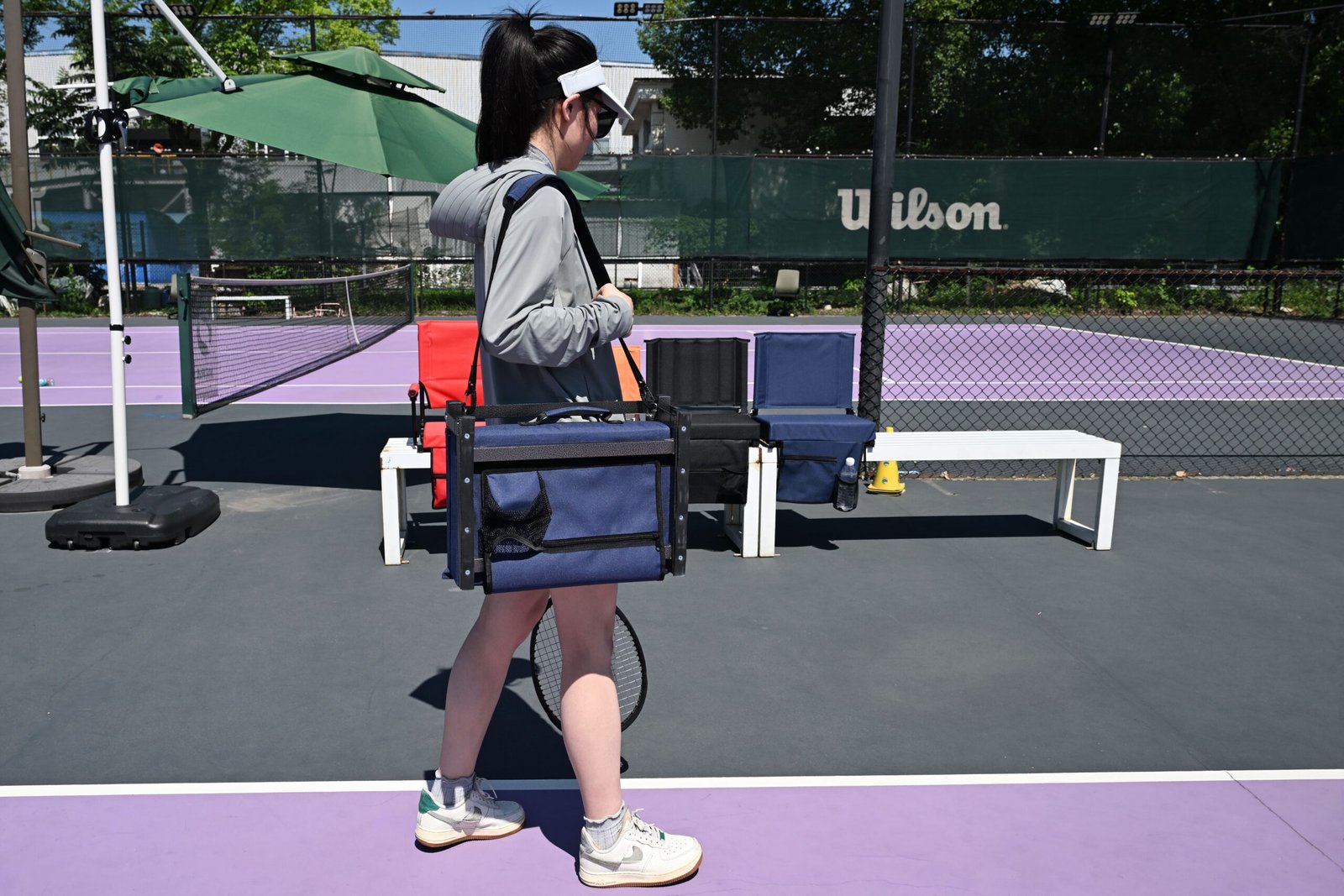
The third approach is quite interesting: moving toward “invisibility.” When folded, the chair becomes smaller, lighter, and easier to carry, taking up almost no space when not in use. This isn’t a reduction in functionality, but an enhancement of the user experience—ensuring that carrying a chair never feels like a hassle.
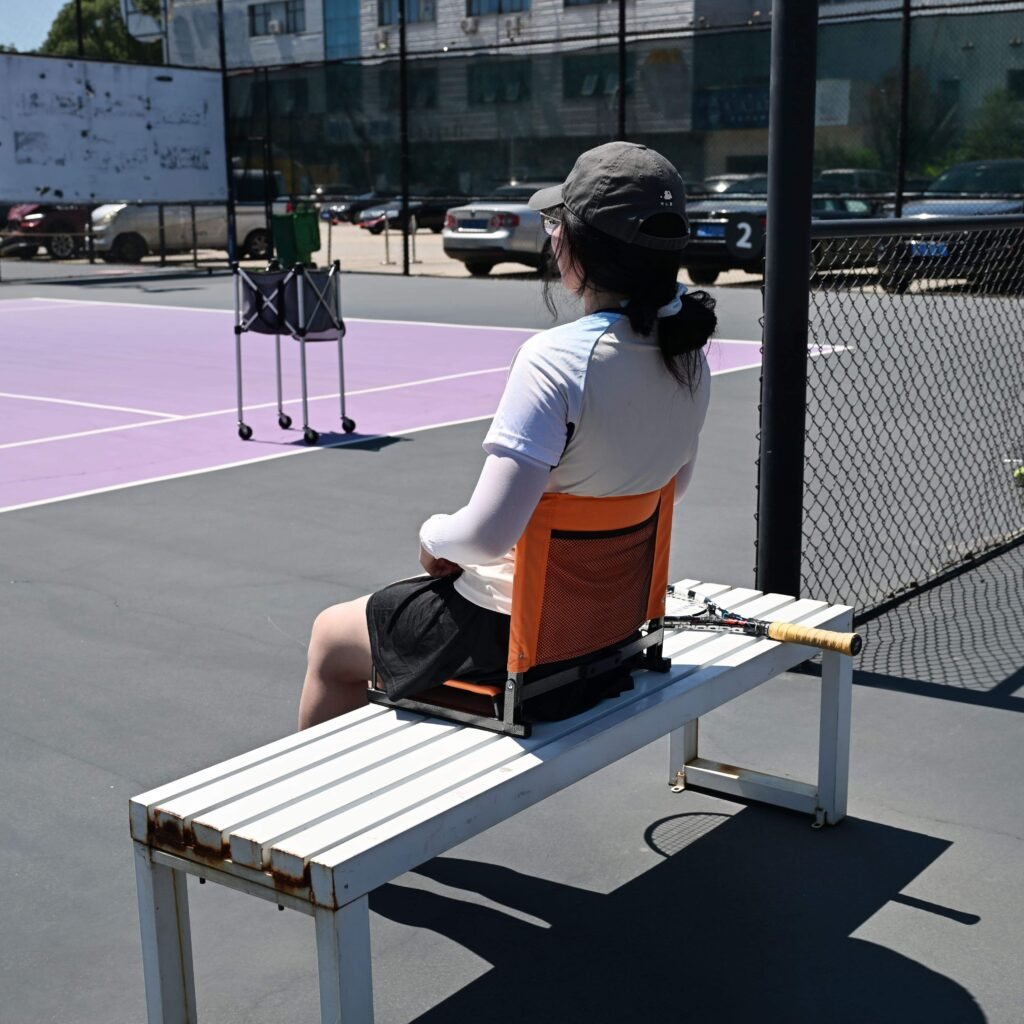
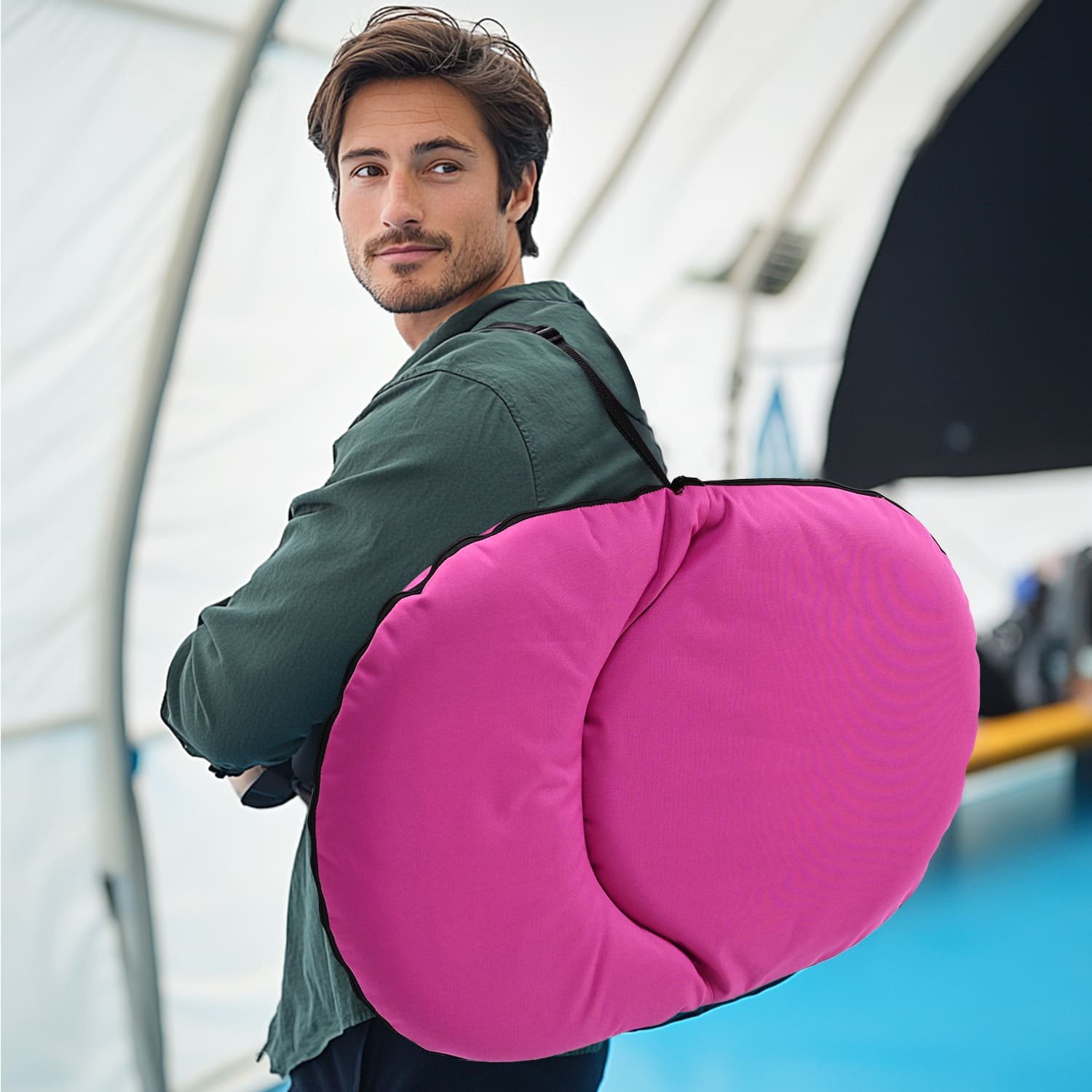
These folding stadium seats can stand upright on their own; they tuck easily into the corner of a car trunk or a narrow gap in a storage closet, occupying minimal space. Being lightweight, they can be carried effortlessly with one hand, or simply slung over the shoulder using a backpack-style strap. The folding mechanism is designed for smooth operation—locking securely when opened and releasing easily when folded—allowing the entire process to be completed in under ten seconds. It is the combination of these details that transforms the act of bringing a chair along from something requiring deliberate planning into a simple, spontaneous habit.
This approach is particularly well-suited for users who frequently use the chair across a variety of settings. Whether for camping, fishing, music festivals, or community events, a single collapsible stadium chair can move seamlessly between scenarios without requiring any special logistical arrangements. The “invisibility” of these portable stadium chairs doesn’t mean they disappear; rather, it means they blend effortlessly into everyday life.
These three strategic directions correspond to distinct sales channels and customer segments. Understanding this distinction ensures that product selection is targeted rather than haphazard.
For products aimed at rental companies, comfort upgrades and durability are paramount. Rental chairs must accommodate multiple users throughout the day; backrest adjustment mechanisms need to withstand frequent operation, upholstery must be stain- and wear-resistant, and replacement parts must be readily available. These clients prioritize the chair’s ability to endure heavy-duty use over the aesthetics of the packaging.
For products targeting supermarkets and retail channels, customization and packaging are key. Colors should align with seasonal trends, packaging must be suitable for shelf display, and pricing needs to be competitive. While these clients have little demand for individual customization, they place a high premium on mass-production consistency and reliable delivery schedules.
For products aimed at brand-specific customization channels, differentiation and patent protection are critical. These clients seek unique offerings; patented designs or exclusive aesthetics serve as their competitive advantage. In this channel, the depth of OEM/ODM collaboration and flexibility regarding patent licensing matter far more than price. Wholesalers handling bulk orders who grasp the differing needs of these three customer segments can make highly effective product recommendations.
Once the strategic direction is clear, several simple criteria can be used to evaluate the product when making purchasing decisions.
First, consider the design of the seat back support. Is it fixed, or does it offer adjustable reclining positions? Does it feature height adjustment? These factors determine which market price segment the product targets; the price difference between premium seats with back support and standard models often lies in these adjustability features.
Next, examine the materials and thickness of the seat padding. Is the foam density sufficient to prevent flattening over prolonged use? Is the fabric truly waterproof and moisture-resistant? These details can be verified during the sampling stage rather than waiting for after-sales feedback. Regarding thickness, “thicker” isn’t necessarily better; the thickness must be balanced against portability and cost.
Finally, assess the supplier’s willingness and ability to accommodate customization. Can they adjust colors and dimensions? Can they handle personalized branding (logos) and custom packaging? Can they ensure a stable supply of blank seats? These capabilities determine whether the product can stand out in specific sales channels.
If stadium seating suppliers can help buyers clarify these points, the partnership becomes far more valuable than a simple transactional relationship.
While these three strategic directions sound clear, translating them into actual products relies on the factory’s manufacturing expertise. Enhancing comfort requires the right combination of materials and structural design; customization demands seamless coordination between prototyping and mass production; and lightweighting calls for a balance between the frame and the folding mechanism. Executing these tasks puts the production line’s comprehensive capabilities to the test.
Changzhou Canbo Travel Products Co., Ltd. has been manufacturing portable bleacher seats and cushions in Changzhou for years. With a facility spanning over 20,000 square meters, five production lines, and a workforce of around 200, the company holds ISO 9001 and BSCI certifications; its products are CE-certified, and key models feature design patents. When wholesale stadium seat clients visit the factory, what impresses them isn’t just the certificates on the wall, but the tangible details: powder-coated iron tubes being precision-bent one by one, and stacks of PVC-coated Oxford fabric neatly arranged in the cutting workshop. For reclining stadium seats, the backrest adjustment mechanisms—ranging from three to six positions—are individually tested for locking reliability before shipment. The factory mass-produces models featuring heating elements and Textilene fabric, and also supplies replacement parts separately.
On the customization front, clients can specify colors, sizes, fabrics, and prints for their stadium seats, as the company is highly experienced in OEM and ODM projects. They handle significant volumes of unbranded (white-label) wholesale seats alongside private-label orders. Their products have been sold for years across Europe, the UK, Japan, South Korea, and Australia, serving a diverse clientele that includes cross-border e-commerce sellers, supermarket procurement teams, event organizers, and domestic platform distributors.
If you are currently selecting bleacher seats with backs for the upcoming season and looking for a product that excels in comfort, customization, and lightweight design, feel free to request a sample. Simply sit down and try one out to see which direction suits you best.