We are an export-oriented manufacturer with 14 years of expertise in grandstand chair production, offering OEM/ODM services to global brands and distribution partners.
In the category of portable stadium seats, “portability” is the product’s lifeblood. Yet, interestingly, the meaning of “portability” varies significantly depending on the user. A commuter fan taking the subway to a game needs a seat that doesn’t strain their back or dig into their hand while carrying it; a family driving to a campsite needs one that folds down small enough to tuck into a tight corner of the trunk; and those who might be at a stadium one day, a music festival the next, and fishing the day after need a chair that won’t become a burden as they switch between these different settings. Everyone talks about wanting something “lightweight,” but beneath that desire lie specific needs for convenience shaped by different lifestyles and paces of life. Once you truly grasp this, your strategy for product selection and distribution channels becomes much clearer.
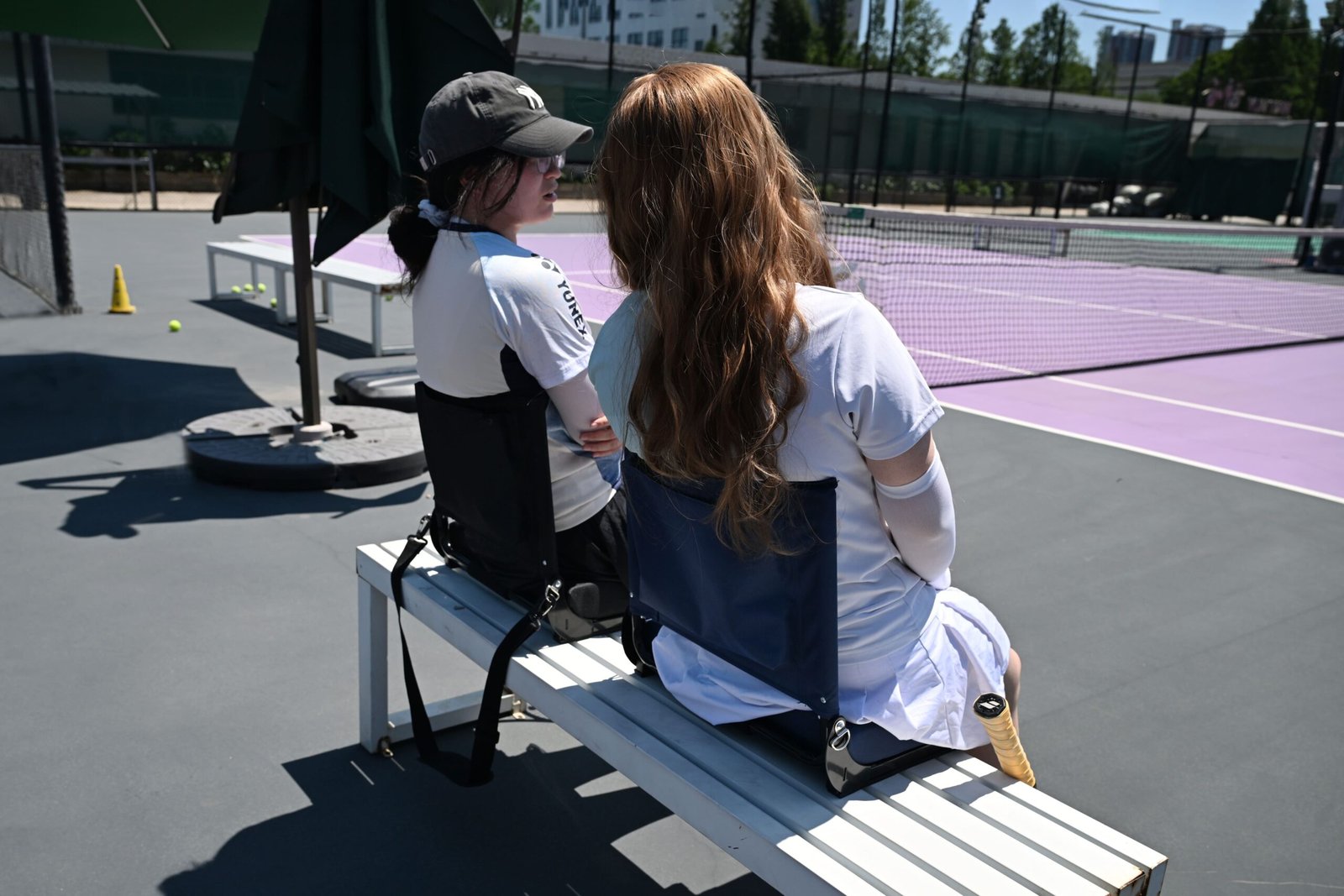
For spectators relying on public transport to reach a game, the requirements for portable stadium seats are straightforward. From the moment they leave home until they take their seats, the chair remains a “carry-on item” throughout a journey that involves walking, navigating crowded subways, passing through security, and climbing stadium steps. If the chair is too heavy or bulky, or if the strap digs into their shoulder, they will hesitate before heading out: “Should I actually bring it today?”
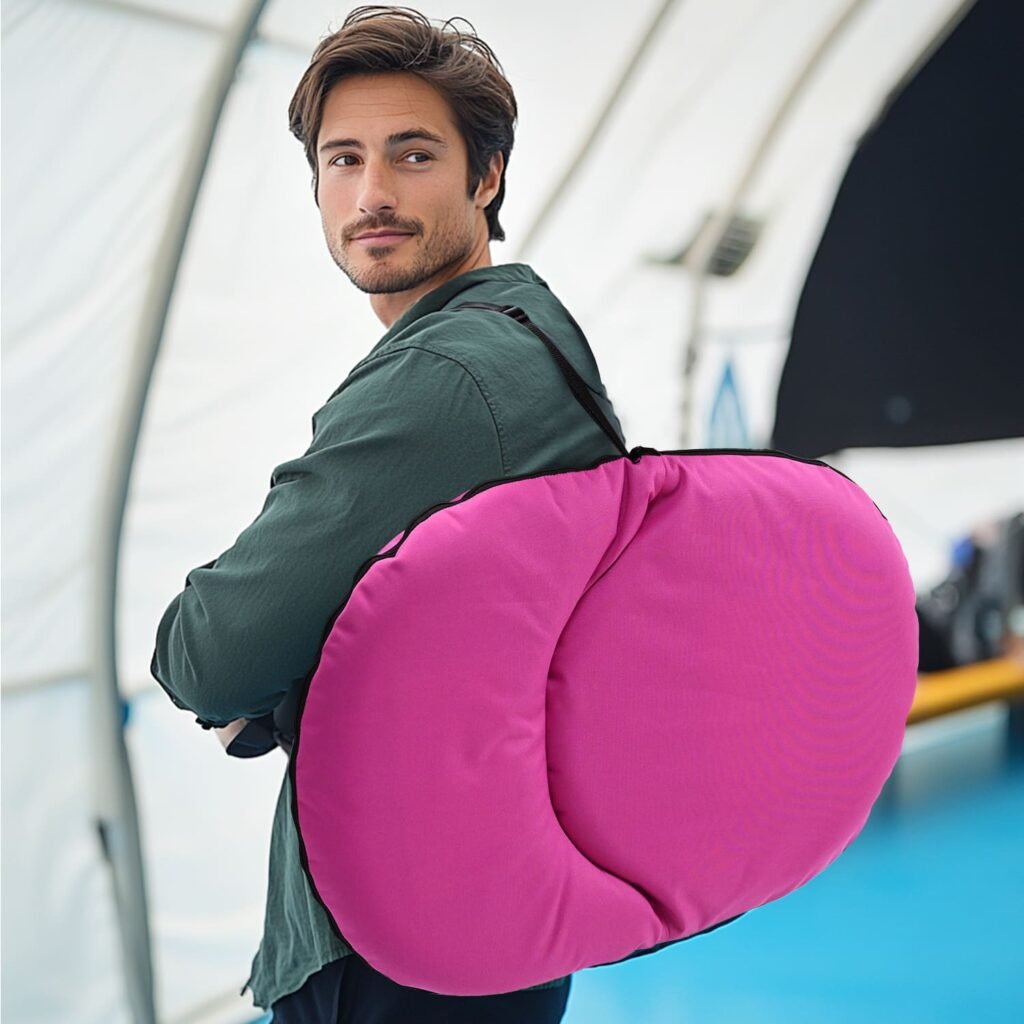
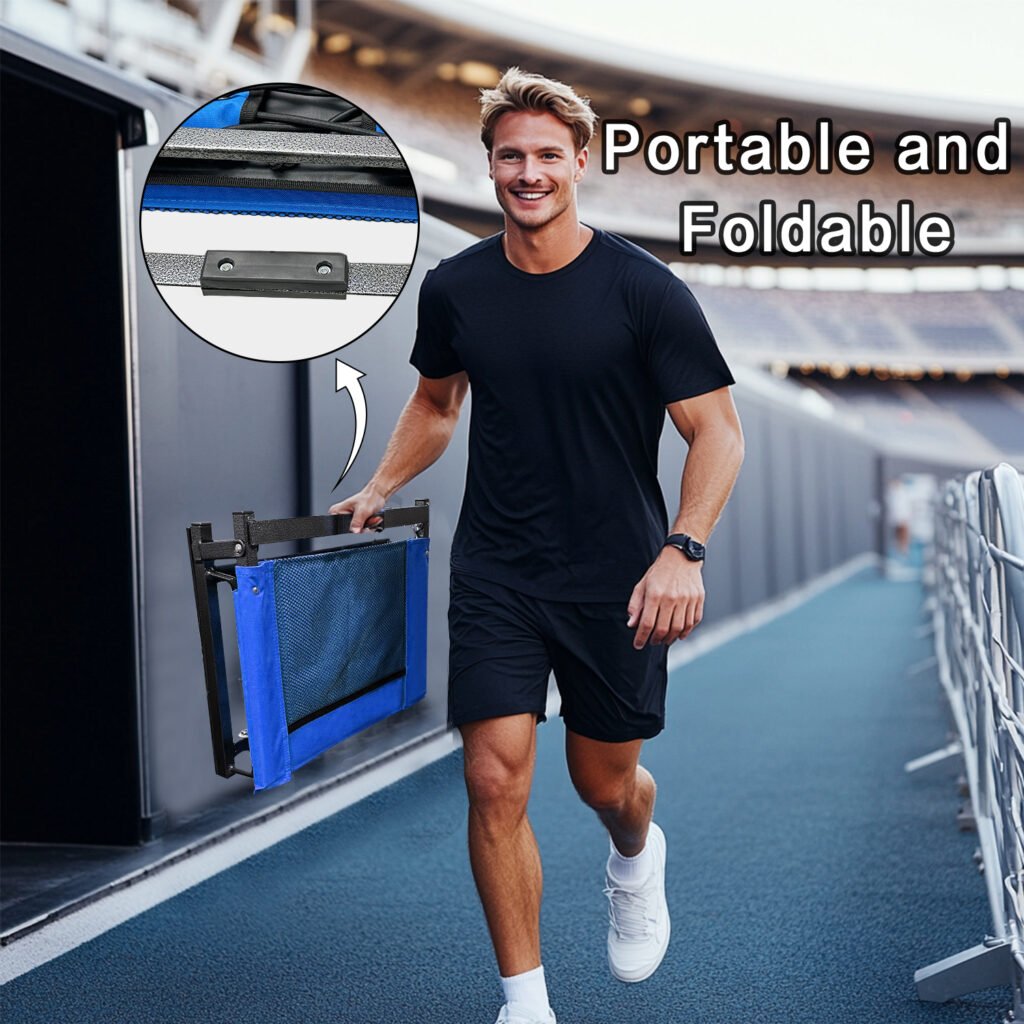
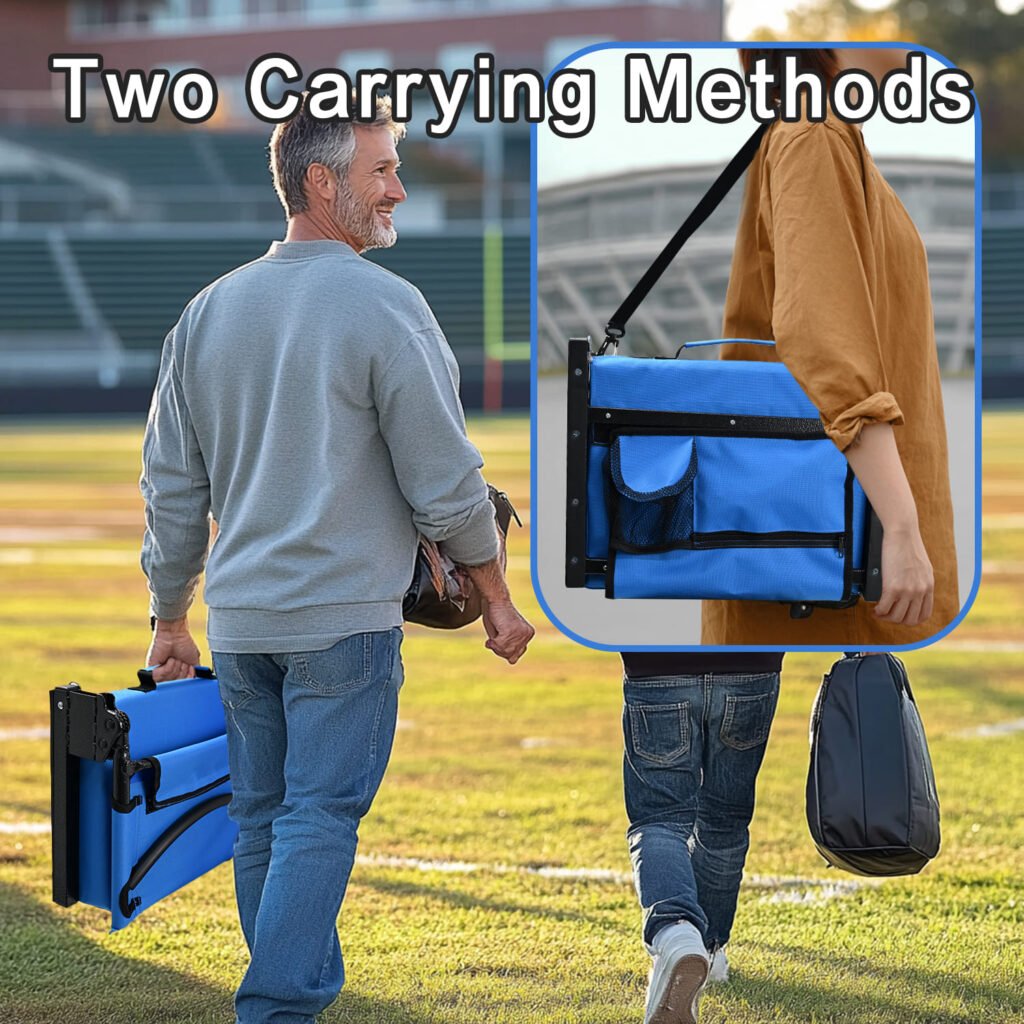
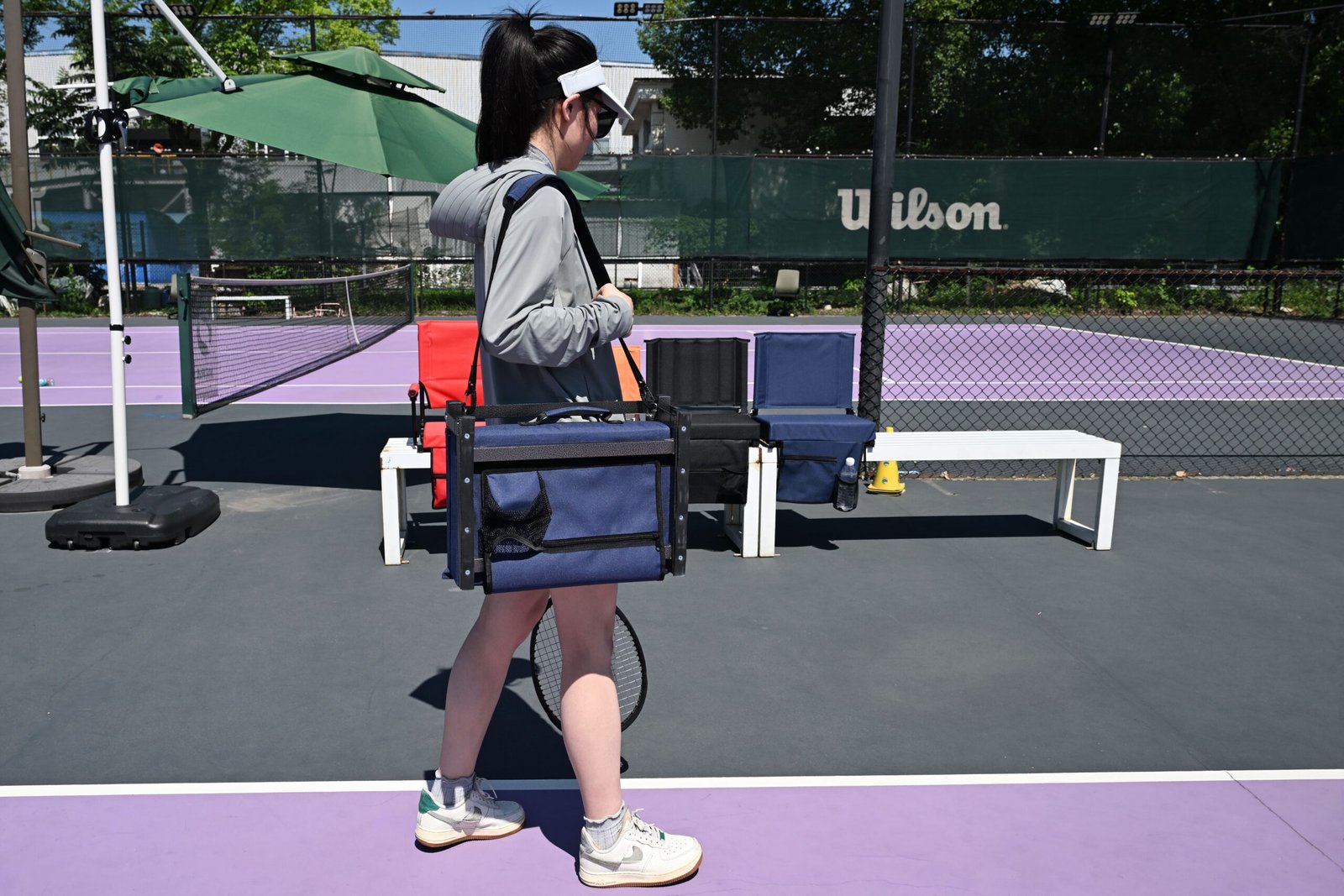
Consequently, the folded size and strap design are crucial for this demographic. An ideal collapsible stadium chair stands upright on its own when folded without coming undone; it is roughly the size of a backpack, fits over a suitcase handle, and can be comfortably slung over one shoulder. Wide, adjustable shoulder straps ensure comfort even when wearing thick winter clothing. For commuters, portability isn’t just a “nice-to-have” feature—it is the fundamental factor determining how often the chair gets used.
Wholesalers of stadium seats often notice a consistent trend: models with shoulder straps always outsell those designed solely for hand-carrying, particularly among younger fans who travel to venues on foot or via public transit rather than by car.
For car owners who bring chairs along, the challenge isn’t carrying them by hand, but rather the fact that their trunks are often already packed to the brim. Between game-day folding tables, strollers, cases of water from the supermarket, and camping coolers, space is at a premium.
Consequently, what drivers look for in folding stadium seats is a design that doesn’t create a hassle when stowed. Ideally, they should fold flat enough to sit flush against the trunk wall or slide into the gap beneath a seat, coexisting easily with other gear. Bulky models that remain thick and take up space like a miniature sofa after folding tend to get discarded before long.
This is where padded folding stadium seats shine: they offer thick foam cushioning and back support—ensuring comfort isn’t compromised—yet their folding mechanism compresses them into a slim profile rather than just folding them loosely. They often come with a carrying case, so there’s no worry about dirt rubbing off onto other items. For these users, portability isn’t about how light the chair is to carry on foot, but how easily it fits into the vehicle.
Then there are those whose portable stadium chairs never sit idle. One weekend they might be watching a game at the stadium, the next at an outdoor music festival, and the week after that, the chair gets tossed into the trunk for a fishing trip. To them, the chair is like an essential tool—always ready to go, whether here today or there tomorrow.
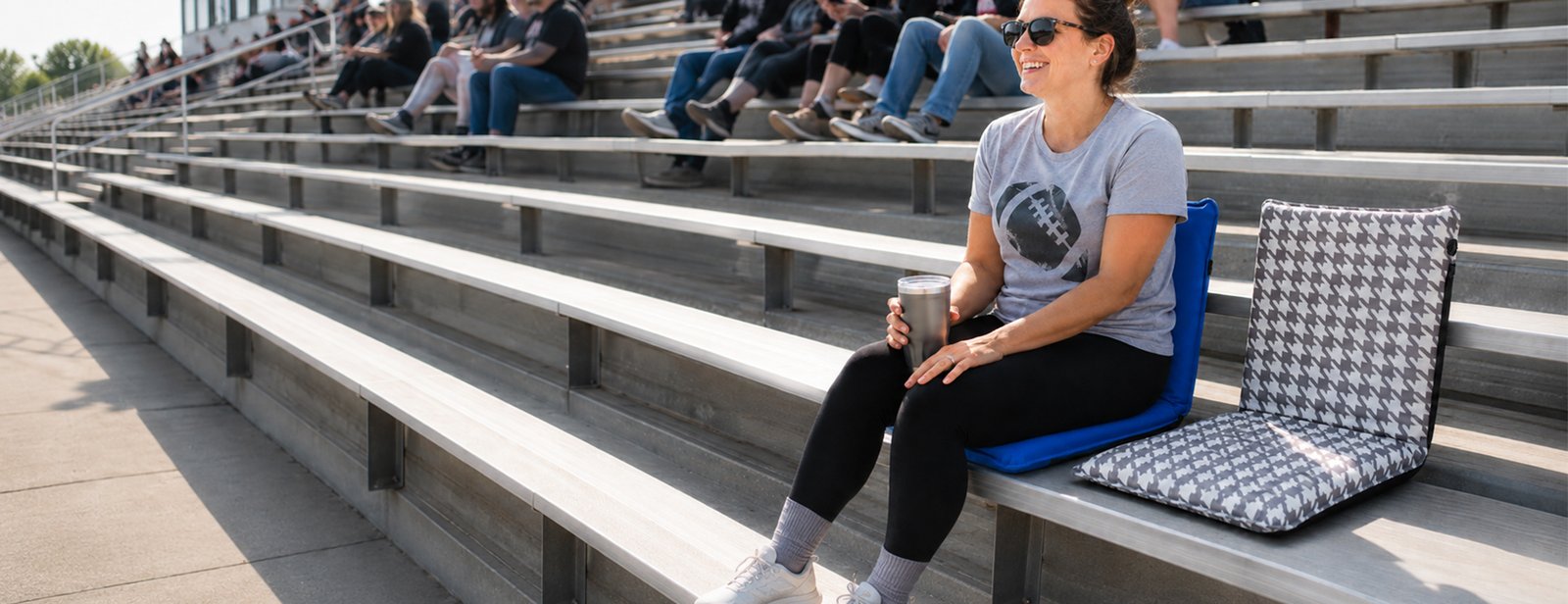
For these people, “lightweight” simply means it never gets in the way. They might not be certain they’ll need it when they head out, but since it’s no trouble to carry, they bring it along anyway. When the moment arises, it unfolds into a proper stadium seat—complete with back support and cushioning—offering far more comfort than just finding a hard surface to sit on.
This “why not bring it along?” mindset is made possible by a combination of lightweight design and versatility across different settings. The folding mechanism must withstand frequent use, opening and closing smoothly every time without sticking or jamming. The adjustable backrest needs to be stable, allowing the user to find the perfect angle for various postures and environments. Lightweight stadium chairs have surged in popularity largely because they perfectly cater to this kind of dynamic, on-the-go lifestyle.
When many people hear the term “lightweight,” their first reaction is to assume that materials have been skimped on or made thinner. In reality, high-quality lightweight stadium chairs operate on a completely different logic: they reduce weight through strategic material selection and structural design, all while maintaining structural integrity.
The framework is a prime example. A well-designed steel-frame stadium chair utilizes powder-coated steel tubing with precisely calculated wall thicknesses; the design ensures sufficient material where load-bearing strength is critical while stripping away excess weight from non-load-bearing areas. The powder coating provides rust protection with negligible added weight, yet it vastly improves durability. This explains why many cheap stadium seats—while light—feel flimsy and unstable, whereas lightweight models from reputable stadium seating manufacturers feel rock-solid.
The same applies to the padding. High-resilience foam is denser than standard foam, yet it recovers its shape quickly and resists sagging over time; this allows for superior support with less thickness. As for the upholstery, a combination of Oxford fabric and a PVC coating offers abrasion and scratch resistance without adding significant weight. These material choices reflect a manufacturer’s expertise regarding long-term product performance, rather than a hasty, cost-cutting decision.
When selecting products, many dealers and distributors habitually check the weight on the spec sheet first. While weight is certainly important, focusing solely on the numbers can cause one to overlook factors that truly shape the user experience.
Consider two folding stadium seats: they might weigh roughly the same, but if one has a wide carrying strap and the other a narrow one, the experience of carrying them for ten minutes differs drastically. One might feature a locking mechanism that keeps it secure when folded, while the other requires manual pressure to prevent it from springing open—making a world of difference when loading it into a car trunk. It is these details—beyond mere weight—that determine whether a user will actually want to take the product out with them regularly.
Therefore, when evaluating samples, it is best to simulate real-world use: fold and carry it (by hand and on your back), try stowing it in a car, then take it out, unfold it, and sit down. A stadium seat isn’t just a collection of metrics; it represents an experience defined by a sequence of actions. Only a product that makes this entire sequence smooth and effortless is worth ordering in bulk.
For wholesalers handling bulk procurement, there is another valuable perspective: asking end-users, “Why didn’t you use the chair often after buying it?” The answer is rarely “it wasn’t soft enough,” but rather “it was too much of a hassle to take out.” If you translate “lightweight” into “hassle-free to carry,” your product selection strategy becomes much clearer. Similarly, the support provided by a stadium seat factory should center on this aspect, rather than just quoting weights and dimensions.
Making portable stadium seats lightweight isn’t difficult; the real challenge lies in retaining essential features—backrest support, thick cushioning, waterproof fabric, structural integrity, smooth adjustability, and durability under heavy use—while keeping the weight down. Achieving this balance isn’t just a matter of mold design; it is the result of day-to-day refinement on the production line.
Changzhou Canbo Travel Products Co., Ltd. has been manufacturing these products in Changzhou for years. With a factory spanning over 20,000 square meters, five production lines, and a workforce of around 200, the company holds ISO 9001 and BSCI certifications, and its products are CE certified. When wholesale clients visit the factory, they look beyond the certificates on the wall to the tangible details: powder-coated iron tubes being shaped one by one on bending machines, and stacks of PVC-coated Oxford fabric neatly arranged in the cutting workshop. For reclining stadium seats, the backrest adjustment mechanisms—ranging from three to six positions—are individually tested for locking reliability before shipment. The company mass-produces heated models and versions featuring Textilene fabric, and also supplies replacement parts separately.
Regarding customization, clients can specify colors, sizes, fabrics, and prints; the company is highly experienced in OEM and ODM projects. They handle everything from high-volume wholesale of unbranded (“blank”) seats to private-label and white-label production. Their products have been sold for years in Europe, North America, the UK, Japan, South Korea, and Australia, serving a diverse clientele that includes cross-border e-commerce sellers, supermarket buyers, event organizers, and domestic platform distributors.
If you are exploring the portable stadium seat market—whether you want to capitalize on the trend of lightweight design shifting from a “bonus” to a “must-have,” or simply wish to add an SKU to your lineup that is light enough to carry yet comfortable enough for extended sitting—feel free to request a sample. “Lightweight” is easy to claim in words, but the true quality becomes apparent only when you actually sit in, fold up, and carry the product yourself.