Blogue

Somos um fabricante orientado para a exportação com 14 anos de experiência na produção de cadeiras de bancada, oferecendo serviços OEM/ODM a marcas globais e parceiros de distribuição.

Share

What Kind of Supplier Stands Behind a Good Stadium Seat with Back

Choosing a stadium chair with a backrest seems like selecting the fabric, checking the foam, and testing the backrest angle. But digging deeper, it’s about choosing a factory’s ability to seamlessly integrate materials, craftsmanship, customization, and delivery time. Users don’t think about these things when they buy, but after six months, which foam collapses first, which buckles loosen—it all depends on whether those initial steps were done properly. So, conversely, what should a qualified stadium seat manufacturer excel at? The answer isn’t complicated—it’s those things that sound simple, but lacking even one will cause everything to fall apart.

Fabric—This Directly Decides How Long a Chair Survives Outdoors

A stadium seat with backs is exposed to the elements every day, and the outermost layer of fabric is its first line of defense. If the fabric isn’t up to par, it will start fading, pilling, and even tearing within a few months.

Therefore, making waterproof stadium seats isn’t just talk. Good Oxford fabric is inherently dense, and with a PVC coating as the lining, water splashes will bead up and roll off, rather than seep in. In scenarios like watching a game outdoors in a downpour, camping in the morning with dew, or getting soaked while fishing—in these situations, waterproof stadium seat fabric is the dividing line between “just wipe it clean, and you can sit on it again” and “it’s soaked and has to be packed away.”

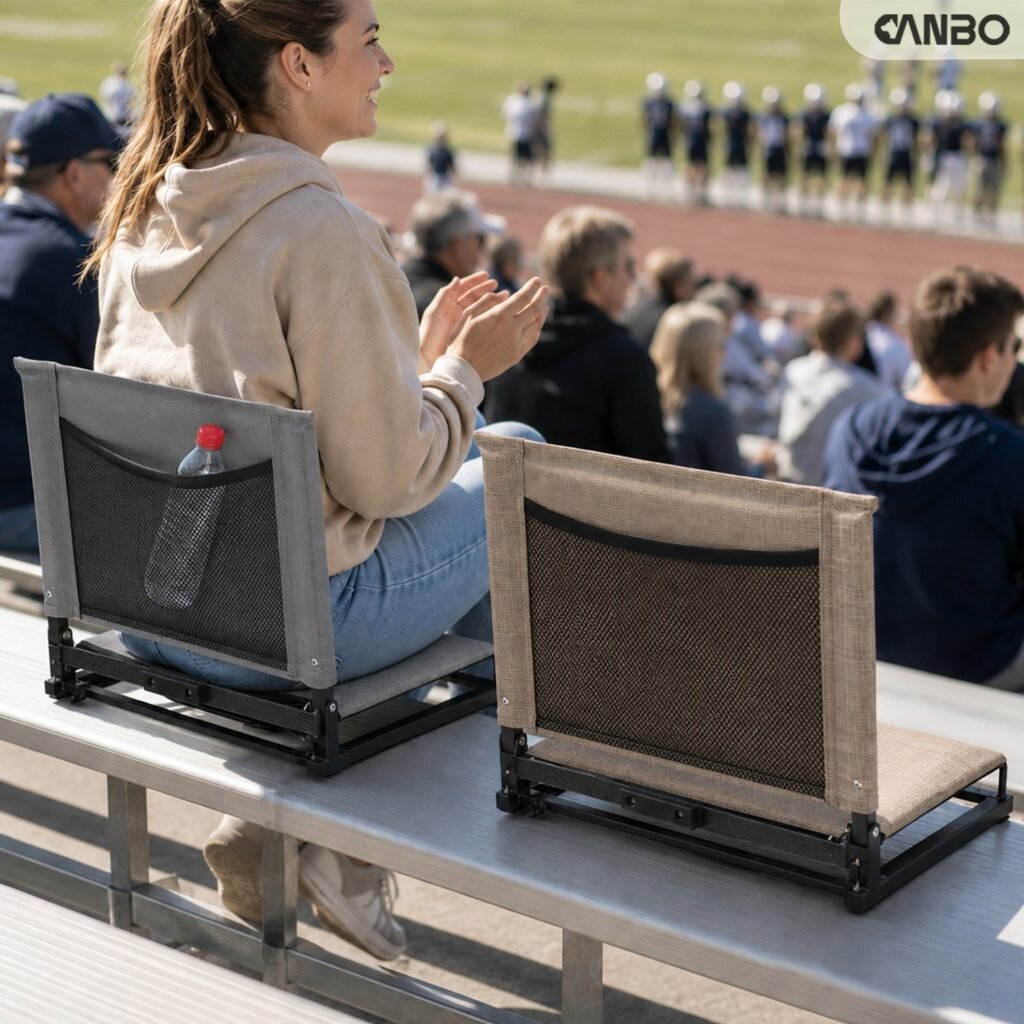
Durability is equally important. A folding stadium seat is often placed on concrete steps, grass, or gravel, and your bottom will rub against it repeatedly. If the fabric can’t withstand friction, the front corners of the seat will be the first to wear out. Those stadium seat covers that look brand new after a year or two are essentially made with the right fabric.

Then there’s the issue of color fading. Many cheap stadium seats look great when you first buy them, but after a summer in the sun, they become dull and gray. Anyone in the stadium seat wholesale business knows this: when customers receive the goods and find the color is vastly different from the sample, returns and exchanges are a major headache. Fabric is the most troublesome problem to fix, so you absolutely must avoid it from the start.

Whether the Foam Is Any Good—You'll Know in Three Months

The fabric is the exterior; the foam is the interior. The comfort and longevity of a stadium seat pad depend entirely on the foam inside.

Poor-quality foam will collapse after only a few uses. It might feel soft at first, but that softness comes from low density and won’t last long. Once it collapses, you can feel the hard board underneath, making the best stadium seats indistinguishable from ordinary cushions.

Good padded stadium seats use high-resilience foam. When you sit down, it provides support, not a slumped, yielding feeling. After standing up, the foam immediately springs back to its original thickness without leaving a dent. The next time you sit, the same support is provided. The longer this resilience is maintained, the longer the lifespan of a thick stadium seat.

For dealers wholesaling stadium chairs, the foam aspect isn’t easily reflected in the specifications, but customers vote with their experience. Whether anyone complains about the foam collapsing three to six months after a batch of goods is a true test of the foam’s quality. In the category of stadium seat cushions wholesale, if the sponge density is slightly lower, the cost is indeed lower. However, the cost of handling customer complaints and losing repeat customers will wipe out that small price difference.

banco de estádio almofadado e rebatível

Frame and Structure—The Hard Work That's Easiest to Overlook

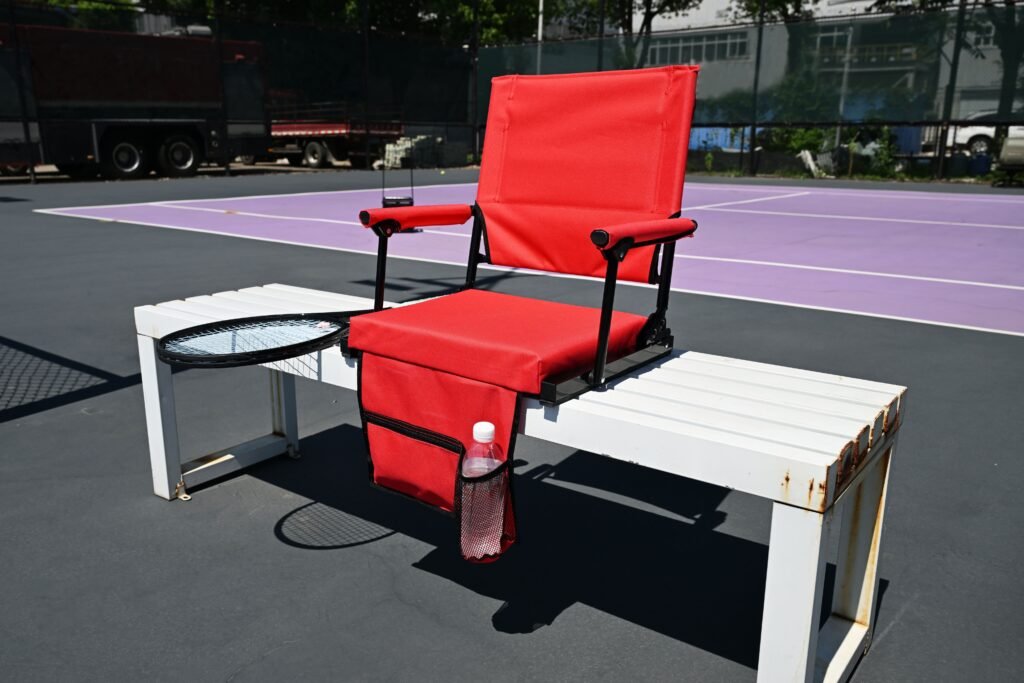
The fabric and foam are tangible, but the frame is different. The powder-coated iron tubing is hidden inside, unseen by the user. However, whether a folding stadium seat can withstand repeated folding and remain stable when leaning back depends entirely on this frame.

The thickness of the steel frame stadium chair’s tubing, the strength of the welds, and the rust resistance of the powder coating are all critical specifications on the production line. Thin tubing results in a wobbly ride, and the backrest deforms easily with pressure. Weak welds lead to loosening at the seams after a short period. Inadequate powder coating causes rust to appear quickly in humid weather or near the sea. Once these problems arise, the demand for stadium seat replacement parts increases—but replacing a part is more troublesome than replacing the entire chair, diminishing the user’s perception of the chair.

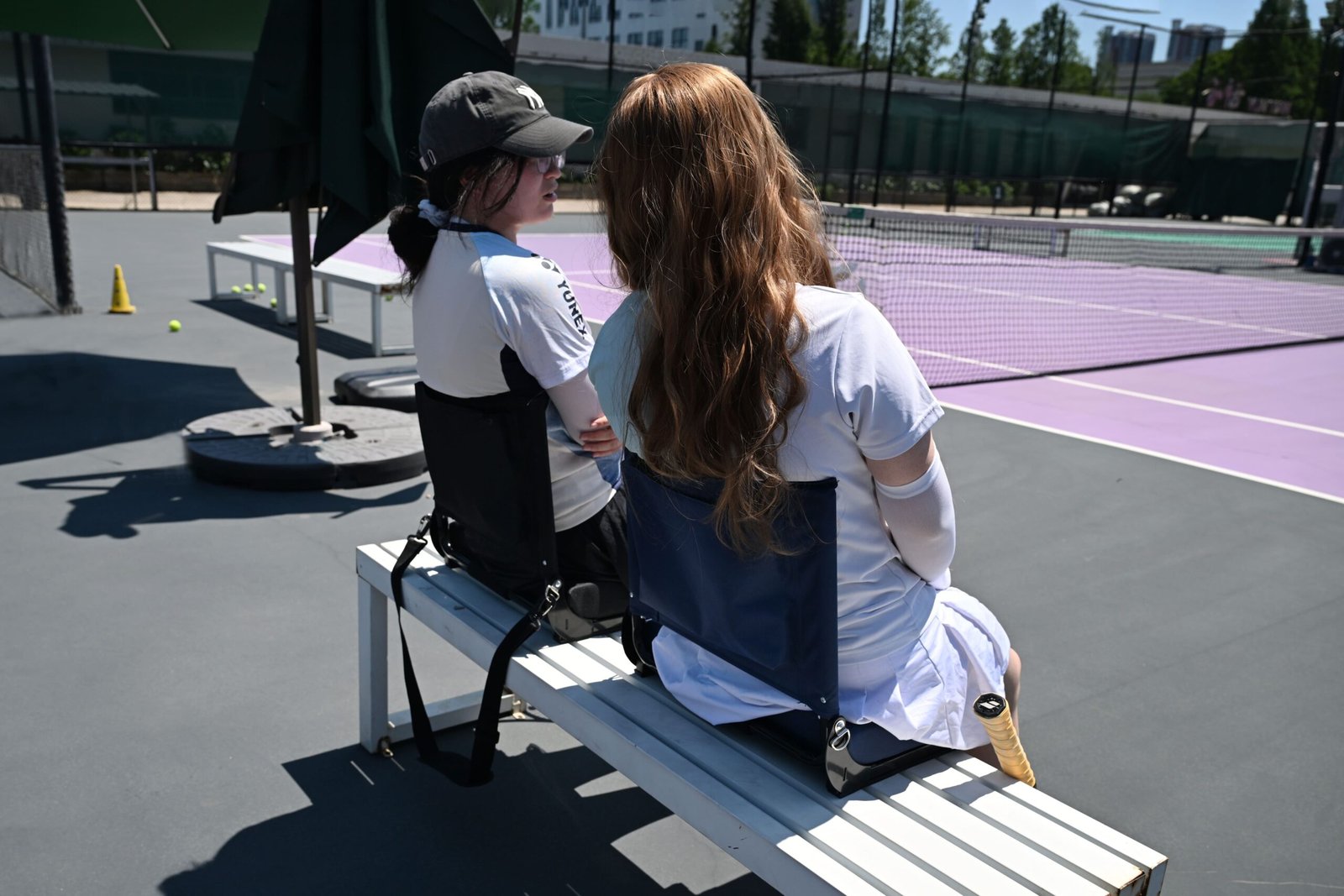
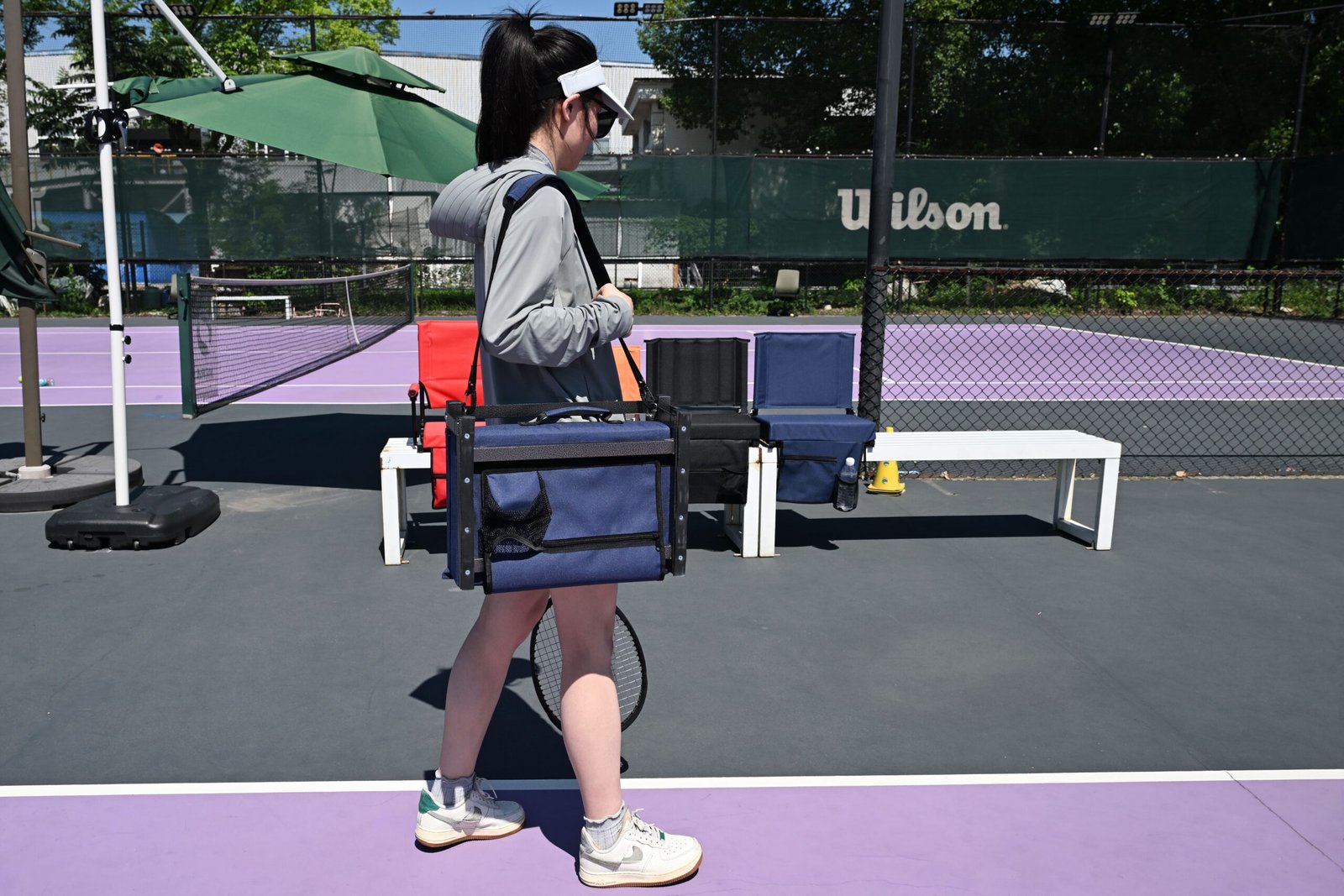
The folding mechanism is similar. The collapsible stadium chair is folded repeatedly every day, so the latches at the joints must be smooth and secure. Too tight and you can’t straighten it, users won’t bother using it; too loose and it won’t lock properly, causing it to slip when you sit on it. Good portable stadium chairs fold smoothly, unfold stably, and don’t become loose even after prolonged use.

The adjustment mechanism of the stadium seat back support requires even higher precision. The reclining stadium seat backrest must have even pressure at each setting, with no gaps where it’s too loose or too tight. This consistency relies on repeated adjustments and testing on the production line, not something that can be achieved by drawing up blueprints. The latches on adjustable stadium seats may sound like small parts, but they are the final link in the user experience—how crisp and stable they are directly determines whether the chair is easy or frustrating to use.

Customization Isn't Just Slapping On a Logo

When discussing custom stadium seats, some people think it’s just a matter of changing the color and printing a logo—nothing complicated. However, suppliers with experience in OEM and ODM know that customization involves communication, sampling, confirmation, and further confirmation from start to finish.

Color customization is the most common. For the same personalized stadium chairs, some clients want team colors, some want darker colors commonly used by outdoor brands, and some want brighter colors to appeal to younger consumers. Whether the color difference between the fabric swatch and the actual product can be controlled within a reasonable range, and whether the speed and accuracy of sampling can reassure clients to place orders—these are fundamental qualities for a stadium seat factory.

Customization of the design goes a step further. Some distributors cater to plus-size customers and require plus-size stadium chairs or oversized stadium seats, necessitating adjustments to the seat and backrest dimensions. Others require thicker foam to create an extra-padded stadium seat feel, requiring changes to the filling density and fabric tension. These cannot be achieved by simply adjusting parameters on an assembly line; they require production line coordination, manual sampling, and repeated testing.

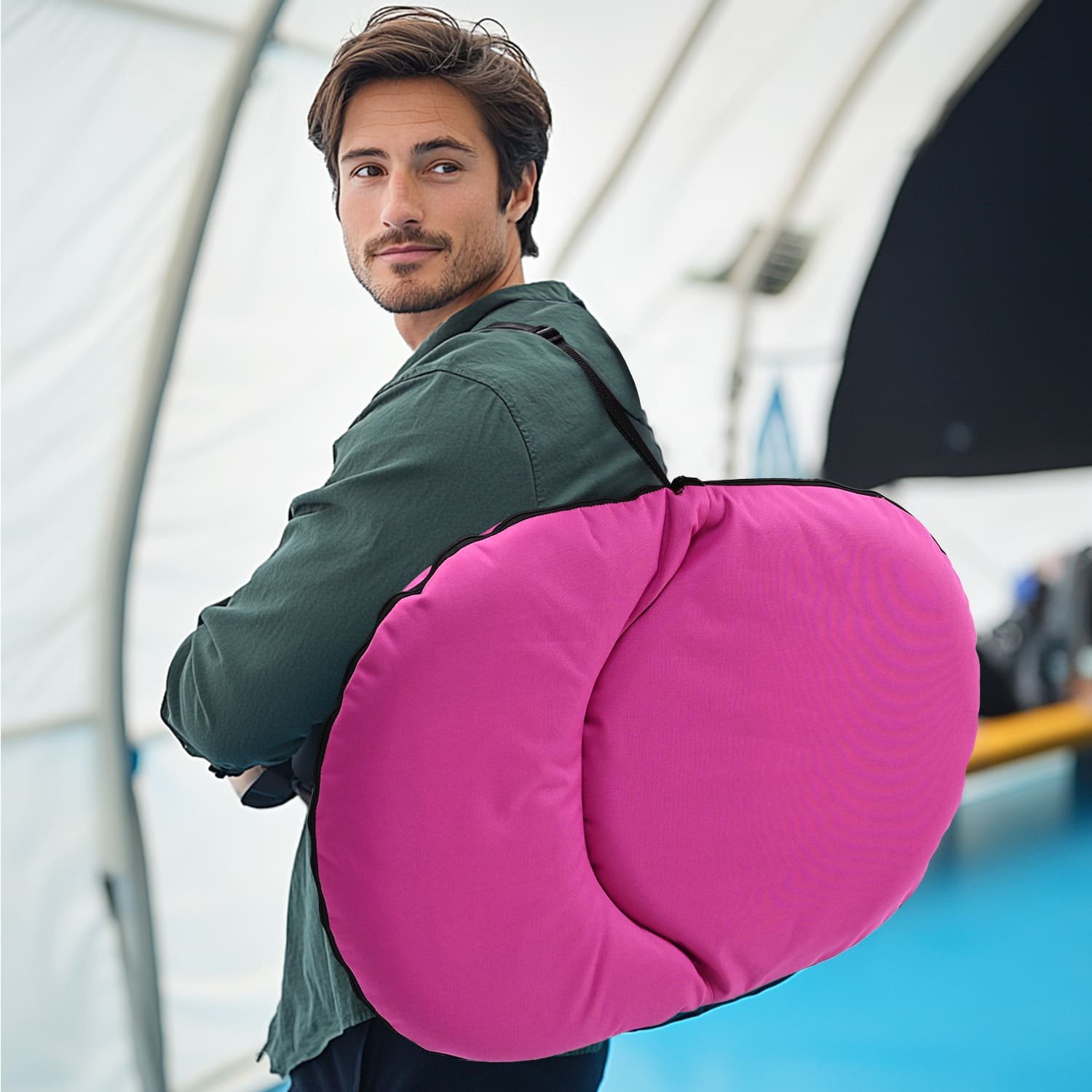
Functional customization is the third level. In winter, customers want heated wires, and heated stadium seats are quite popular in Europe, America, Japan, and South Korea. Customers in the south want Teslin fabric, which is breathable and quick-drying, preventing stuffiness and sweating in summer. Adding these features isn’t just a matter of attaching a patch and connecting a wire; safety, durability, and ease of cleaning must be considered. Only when these aspects are handled well can the customization capability of customizable bleacher seats be considered complete.

There’s also packaging customization. Wholesale blank stadium seats are shipped with white labels, allowing customers to label them themselves. Packaging specifications, labels, and instructions must all be tailored to the customer’s requirements. Private label and white label work is all about meticulous coordination. Vendors doing stadium chair wholesale know what to look for—suppliers with strong customization capabilities are much more reliable and worry-free to work with.

Delivery Time and Product Details

When first contacting a stadium seat supplier, the conversation mostly revolves around price, minimum order quantity, and samples. However, after working together for a while, it becomes clear that what truly impacts daily business is the reliability of delivery times and the availability of spare parts.

Stadium seat wholesale orders are highly seasonal. The period before the start of the sports season is peak season, as is the peak season for camping equipment procurement, and gift channels around Christmas require advance stocking. If a supplier’s delivery time is frequently delayed, the dealer misses not just an order, but an entire sales window. Therefore, experienced stadium seating manufacturers stock up on semi-finished products during the off-season, allowing for quick assembly and shipment during peak season. Customers don’t see this step, but it’s crucial for on-time order arrival.

Spare parts are even more intricate. After prolonged use, the first problem to arise with a stadium seat with back support is often not the major components, but a small part. The demand for replacement parts is constant – loose buckles, worn-out straps, broken zippers on storage bags. If suppliers pay attention to even the smallest parts, end users won’t have to throw away the entire chair because of a minor defect. This provides invisible after-sales support for distributors and protects the brand’s reputation.

The Chairs That Leave That Factory in Changzhou Travel a Complete Path

We’ve discussed fabric, foam, frame, customization, delivery time, and accessories—each item individually isn’t particularly complex. However, achieving excellence in all of these requires a comprehensive process.

Changzhou Canbo Travel Products Co., Ltd., located in Changzhou, China, has been manufacturing portable bleacher seats for many years. With over 20,000 square meters of factory space, five production lines, and about 200 workers, they are ISO 9001 and BSCI certified, and most of their products have CE marking and design patents. The backrest adjustment buckles, folding joints, and back strap fasteners on their stadium seats with backs are all assembled piece by piece on their own assembly line. The reclining stadium seat’s 3- to 6-position adjustment mechanism undergoes manual testing at each position before leaving the factory.

Regarding customization, they are very experienced in OEM and ODM projects. Personalized stadium chairs can be customized in terms of color, fabric, and size; both Teslin fabric and heated wire versions are in mass production. Custom bleacher seats feature logo printing and packaging tailored to client brand needs; we’ve produced numerous private and white label options.

Our products have been distributed across Europe, North America, the UK, Japan, South Korea, and Australia for many years. Our clients include cross-border e-commerce businesses, supermarket purchasing agents, event organizers, and domestic platform distributors. If you’re looking for stadium seats with backs that are sturdy from fabric and foam to frame, offer flexible customization, reliable delivery times, and readily available accessories, feel free to contact us anytime. Samples are plentiful. Every chair that leaves our factory in Changzhou speaks volumes about what a good chair should look like.

Contactar-nos

Aguardamos com expetativa o seu contacto

pt_PTPortuguês